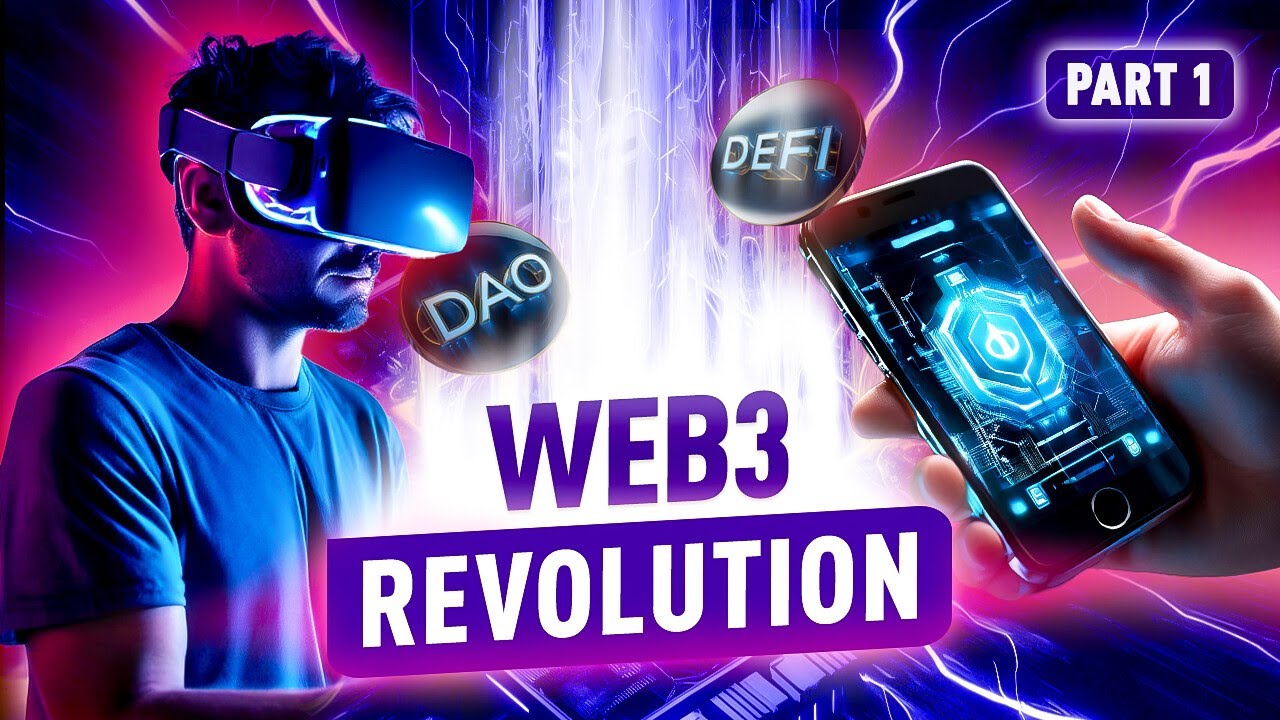
Explore the Web3 Metaverse: a decentralized gaming revolution transforming digital ownership, community interaction, and game design.
The Web3 Metaverse: A New Frontier in Online Gaming
The gaming world is on the cusp of a revolutionary transformation with the advent of the Web3 Metaverse. As we transition from traditional web experiences to a decentralized digital ecosystem, gamers are set to experience unprecedented levels of immersion, ownership, and community interaction.
What is the Web3 Metaverse?
The term 'Metaverse' refers to a collective virtual space, encompassing augmented reality, virtual reality, and the internet. Web3, on the other hand, is the next iteration of the internet, emphasizing decentralization, blockchain technology, and token-based economics. Combining these concepts, the Web3 Metaverse aims to create a seamless, interconnected virtual universe where users have true ownership of digital assets.
Key Features of the Web3 Metaverse
Decentralization
Unlike traditional gaming ecosystems controlled by centralized entities, the Web3 Metaverse is built on decentralized networks. This structure ensures that no single entity has control over the entire ecosystem, promoting a fair and transparent gaming environment.
True Ownership of Digital Assets
In the Web3 Metaverse, players have complete ownership of their in-game assets, thanks to blockchain technology. NFTs (Non-Fungible Tokens) represent unique items or characters that can be bought, sold, or traded across different platforms, granting players unprecedented control over their digital possessions.
Interoperability
One of the most exciting aspects of the Web3 Metaverse is interoperability. Players can use their assets in multiple games and platforms, creating a cohesive gaming experience. This interconnectedness blurs the lines between different virtual worlds, allowing for expansive exploration and interaction.
Impact on the Gaming Industry
The introduction of the Web3 Metaverse is poised to disrupt the traditional gaming industry in several ways:
Economic Opportunities
The play-to-earn model is gaining traction, allowing players to earn real-world income from their in-game activities. This shift is attracting new demographics to gaming, as individuals seek to monetize their skills and time spent in the Metaverse.
Enhanced Community Engagement
With its decentralized nature, the Web3 Metaverse fosters a strong sense of community. Players can form decentralized autonomous organizations (DAOs) to govern and influence game development, creating a more inclusive and player-driven environment.
Innovative Game Design
Developers are exploring new game mechanics and genres that leverage blockchain technology. This innovation is leading to the creation of games that not only entertain but also educate players about the real-world implications of blockchain and digital ownership.
Challenges and Considerations
While the Web3 Metaverse holds great promise, it also faces several challenges:
Scalability
Blockchain technology, in its current form, struggles with scalability. As the Metaverse grows, ensuring that the underlying technology can support millions of concurrent users is crucial.
Security Concerns
Decentralized networks are not immune to security threats. Ensuring the safety and integrity of users' digital assets is paramount to maintaining trust in the Metaverse.
Regulatory Hurdles
The regulatory landscape for blockchain and cryptocurrencies is still evolving. Navigating legal frameworks and ensuring compliance will be a significant challenge for developers and players alike.
The Future of the Web3 Metaverse
Despite these challenges, the Web3 Metaverse represents a new era for online gaming. As technology advances and adoption grows, we can expect to see increasingly sophisticated virtual worlds that offer limitless possibilities for players around the globe.
For gaming enthusiasts, the Web3 Metaverse is not just a trend—it's a paradigm shift that will redefine how we play, interact, and create in the digital age.