
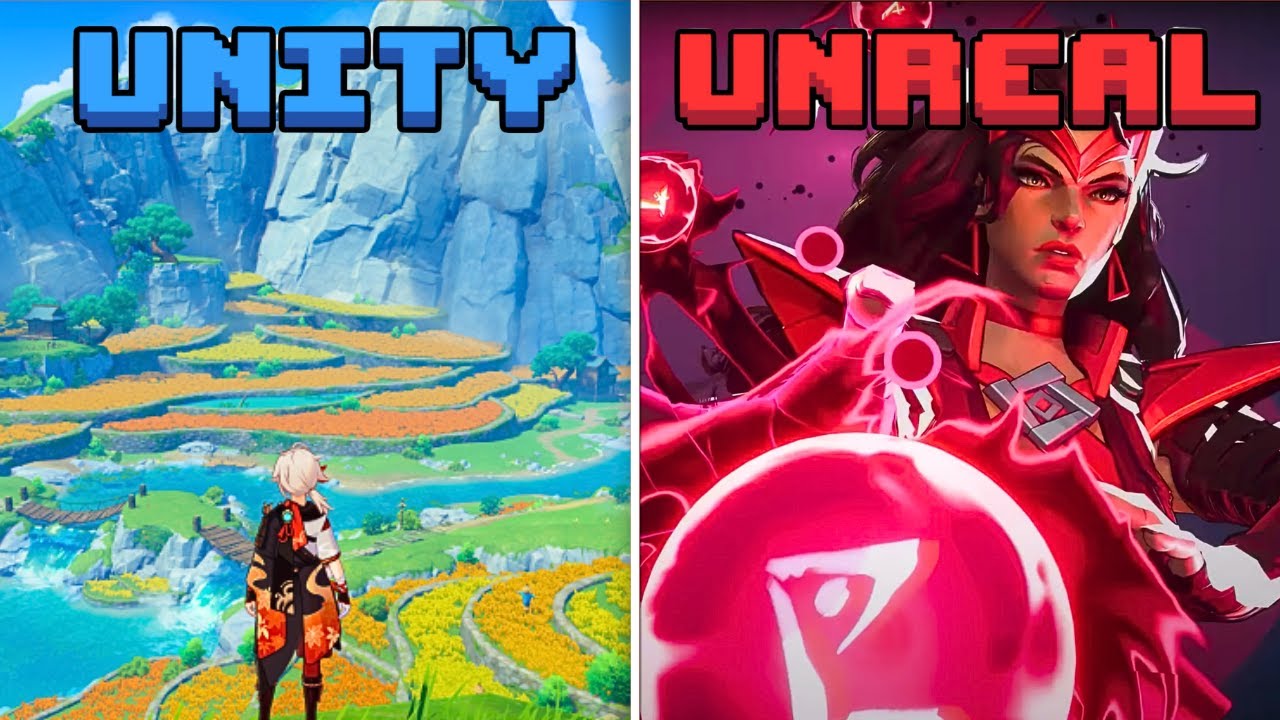
Unity vs Unreal Engine: Explore the strengths and weaknesses of these top game development platforms to find the best fit for your project.
Unity vs Unreal Engine: Which Game Development Platform Reigns Supreme?
In the ever-evolving landscape of game development, choosing the right engine can make or break your project. Two titans dominate this realm: Unity and Unreal Engine. Both have their strengths and weaknesses, and the choice between them often boils down to the specific needs and goals of the developer. In this article, we delve into the intricacies of these two platforms to help you make an informed decision.
Overview of Unity
Unity has long been a favorite among indie developers and small studios. Known for its accessibility and user-friendly interface, Unity allows creators to bring their visions to life with relatively minimal hassle. It supports a plethora of platforms, including mobile devices, consoles, and VR headsets, making it a versatile choice for many developers.
Strengths of Unity
- Cross-Platform Compatibility: Unity’s ability to deploy projects across various platforms seamlessly is one of its standout features.
- Vast Asset Store: Unity’s Asset Store offers a wide range of pre-made assets, tools, and plugins, which can significantly accelerate development time.
- Community and Support: With a massive community and extensive documentation, finding solutions to problems is often just a quick search away.
Weaknesses of Unity
- Graphics: While Unity is capable of producing beautiful visuals, it often falls short of the graphical prowess that Unreal Engine can deliver.
- Performance: Some developers find that Unity projects require more optimization to achieve the smooth performance that Unreal Engine offers out of the box.
Overview of Unreal Engine
Unreal Engine, developed by Epic Games, is renowned for its stunning graphics and robust performance capabilities. It is often the go-to choice for AAA studios and projects that demand high-fidelity visuals.
Strengths of Unreal Engine
- Visual Quality: Unreal Engine’s graphical capabilities are second to none, making it ideal for projects that demand photorealistic visuals.
- Blueprint System: Its visual scripting system, Blueprint, allows for rapid prototyping and development without needing extensive programming knowledge.
- Performance: Unreal Engine is known for its high performance, even in graphically intensive projects.
Weaknesses of Unreal Engine
- Learning Curve: Unreal Engine’s powerful features come with a steeper learning curve, which can be daunting for beginners.
- Resource Intensive: Projects in Unreal Engine can be more resource-intensive, requiring more powerful hardware for development and playtesting.
Which Engine is Right for You?
Choosing between Unity and Unreal Engine depends largely on the scope and requirements of your project. For smaller projects and those requiring cross-platform support, Unity’s ease of use and extensive asset library make it an attractive option. On the other hand, if your project demands top-tier graphics and you have the resources to manage its complexity, Unreal Engine might be the better choice.
Final Thoughts
Ultimately, both Unity and Unreal Engine offer powerful tools to create compelling gaming experiences. It’s essential to evaluate your specific needs, team expertise, and project goals to choose the engine that will best support your vision. As the gaming industry continues to grow, both engines will undoubtedly evolve, offering even more possibilities for creative expression.


