
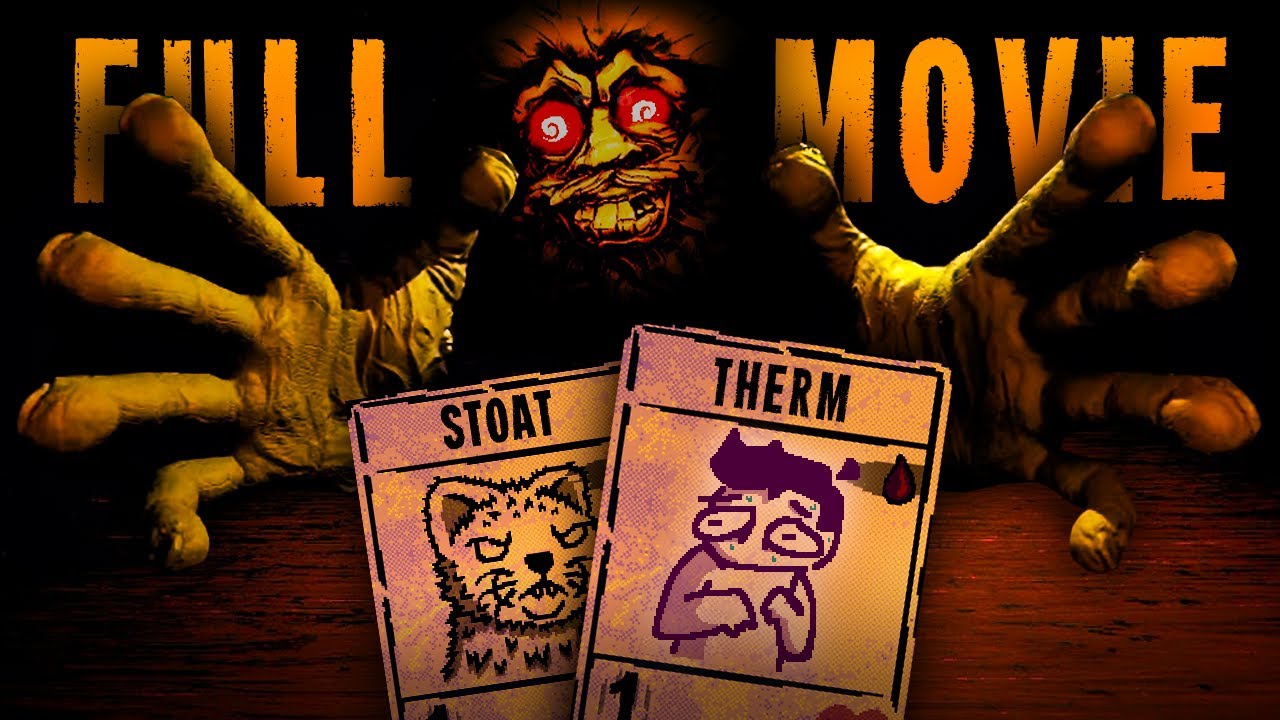
At first glance, Inscryption might look like a simple card battler—but beneath the surface lies one of the most inventive and unsettling indie games of the last decade. Combining roguelike deckbuilding, escape-room style exploration, and a meta-narrative that breaks the fourth wall, Inscryption constantly keeps players guessing. Every mechanic feels layered with hidden meaning, from sacrificing weaker cards to summoning stronger beasts, to unraveling puzzles in the shadowy cabin where the game begins. By blending strategy, horror, and storytelling in ways few games dare to attempt, Inscryption proves it’s not just a card game—it’s a genre-defying experience.
Think Inscryption Is Just a Card Game? Think Again
Inscryption is one of those rare indie titles that refuses to be confined by a single genre. On the surface, it looks like a roguelike deck-builder—but peel back the layers and you’ll find an eerie mix of escape-room puzzles, meta-narrative trickery, and mechanics that continually reinvent themselves. Developed by Daniel Mullins Games, Inscryption has become a benchmark for genre-defying design, luring players in with a card game and then blindsiding them with something much stranger.
Mechanics That Break the Rules
Inscryption starts with familiar deck-building foundations: creatures with attack, health, and unique abilities that can be sacrificed or combined into stronger plays. But unlike traditional card games, every move carries weight thanks to the stamina-like cost system, where sacrificing weaker creatures opens the door to stronger summons. The layer of tension comes not just from your opponent’s moves, but from how far you’re willing to gamble your own resources.
Where Inscryption really shines is in how it refuses to sit still. The roguelike loop isn’t just about battling—it’s interlaced with exploration. Between matches, you can stand up from the table and explore a dimly lit cabin filled with locked safes, cryptic codes, and hidden tools that feed directly back into the card mechanics. This blend of physical exploration and tabletop strategy creates a feedback loop where progress depends on both wit and resource management.
Narrative That Rewrites Itself
The game’s story isn’t delivered in straightforward cutscenes—it’s fragmented, hidden in its mechanics, and constantly shifting as you move through its multiple acts. What begins as a mysterious cabin card game spirals into full-on meta-horror, breaking the fourth wall with corrupted save files, faux found-footage, and strange digital overlays that make the player question where the game ends and reality begins. Each act changes the rules of the game itself, introducing new art styles, mechanics, and even different genres.
For players who thrive on discovering secrets, Inscryption is a playground. Codes hidden in card art, alternate routes through puzzles, and meta-lore lurking in ARG-style clues all reward curiosity. It’s not just a story you consume—it’s a story you actively dig out of the game’s design.
Technical Brilliance Beneath the Horror
From a technical perspective, Inscryption is deceptively simple. Its low-poly visuals and eerie lighting hide just how intricate its systems are. The AI opponent adapts in subtle ways, pushing players to constantly refine their strategies. Meanwhile, the game leverages Unity’s versatility to seamlessly shift between first-person exploration, roguelike progression, and complex card interactions—all without breaking immersion.
Even the sound design is engineered for unease. The creak of the cabin floorboards, the low growl of Leshy, and the scratch of cards sliding across the table all build tension that’s as important as the mechanics themselves. These technical details transform Inscryption from “just another card game” into a living, breathing horror experience.
Why It Matters
Inscryption isn’t just a quirky indie—it’s a proof of concept that games can bend and break genre conventions to create something new. Its success has inspired other developers to experiment with hybrid mechanics and meta-narratives, while also showing players that even familiar formats like card games can become vehicles for unsettling, unforgettable storytelling.
Conclusion
Inscryption thrives because it refuses to let players get comfortable. One moment you’re calculating card costs, the next you’re unlocking a hidden compartment in the cabin wall, and suddenly the game has shifted genres entirely. It’s this constant reinvention—backed by strong mechanics and chilling atmosphere—that makes Inscryption one of the most intriguing indie titles in recent years.
If you thought this was just a card game, think again—you’re in for something much stranger.

