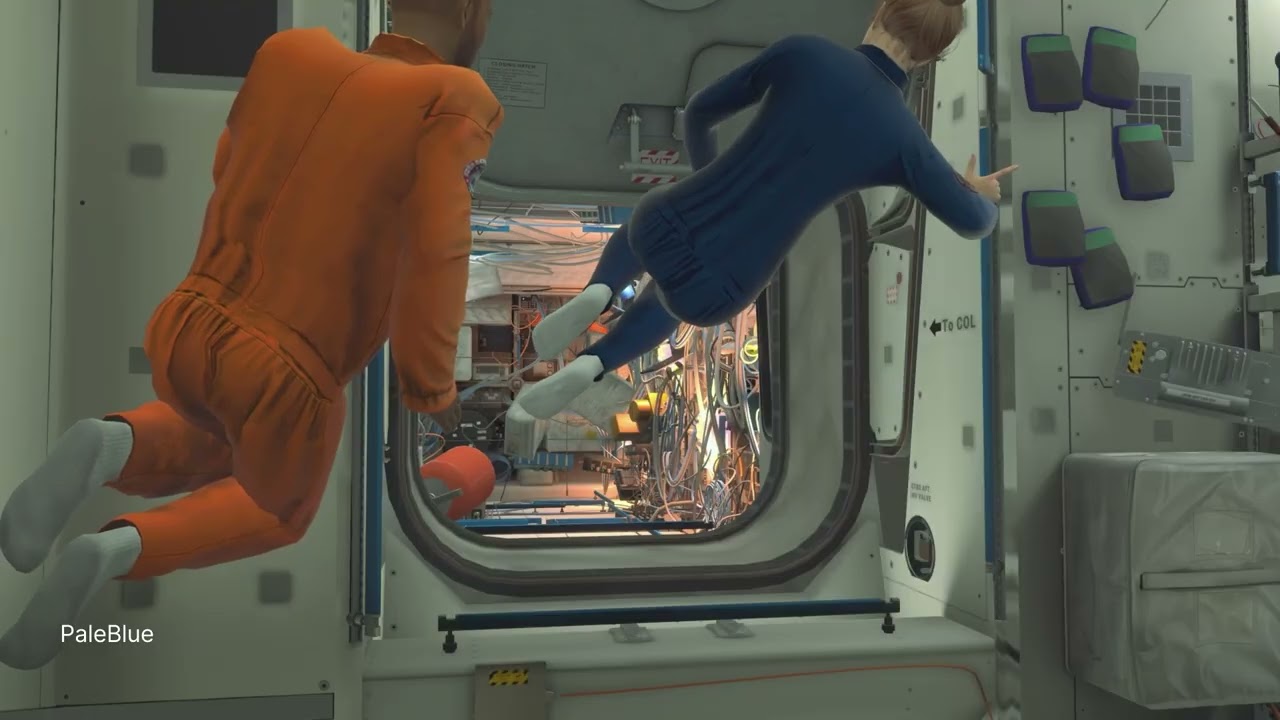

Explore the future of gaming with mobile VR. Discover how smartphones and VR tech are creating immersive gaming experiences.
-These Unity Games Set the BarYou’ve Got to Try Them: Mobile and VR
The gaming industry has been transformed by Unity, a game engine that empowers developers to build for both mobile and VR with ease. From indie hits to genre-defining titles, Unity has enabled developers to experiment with new mechanics, deliver polished visuals, and take advantage of cross-platform integration. Some of the best Unity-made games—like Monument Valley, Beat Saber, and Pokémon Go—showcase how technical innovation can shape unforgettable experiences.
Monument Valley – Puzzles With Architectural Precision
Monument Valley is often praised for its artistic design, but its technical brilliance lies in how it manipulates perspective. Built with Unity’s 2D and 3D rendering flexibility, it leverages shader effects and dynamic camera control to create impossible geometry puzzles. This seamless blend of art and technical trickery keeps players questioning their perception while enjoying intuitive touch-based controls on mobile devices.
Beat Saber – Precision VR at Its Best
Beat Saber demonstrates Unity’s ability to handle motion tracking and physics in real-time. Every slash of a neon blade is powered by precise collision detection and low-latency input handling, optimized for VR headsets. Unity’s XR Toolkit and support for spatial audio elevate immersion, letting players feel every beat and movement as if they’re inside the music.
Pokémon Go – Augmented Reality on a Global Scale
Pokémon Go showcases Unity’s strength in mobile AR development. Using Unity’s AR Foundation, Niantic created a system that integrates GPS data, camera input, and Unity’s rendering pipelines to place Pokémon into real-world environments. The technical achievement wasn’t just the AR—it was scaling the system globally with millions of players interacting simultaneously.
Subnautica – A Survival World That Breathes
Subnautica takes full advantage of Unity’s real-time lighting, ocean shaders, and physics-based rendering. The underwater environments are more than just visually stunning; they’re built with systems that track oxygen, pressure, and buoyancy in ways that feel natural to the player. Unity’s High Definition Render Pipeline (HDRP) allows for the dynamic lighting and particle effects that make its bioluminescent depths feel alive.
Why Unity Dominates Mobile and VR
What unites these titles isn’t just creativity—it’s Unity’s robust toolset. Its rendering pipelines (HDRP for high fidelity, URP for performance), XR integration, and optimized physics make it possible for small studios to achieve AAA-like immersion. Whether through AR overlays on city streets, precision rhythm VR, or puzzles bending architectural logic, Unity provides the backbone for innovation.
Looking Ahead
As mobile hardware grows more powerful and VR/AR adoption expands, Unity’s role will only become more central. Its ability to scale experiences across platforms means more games will blur the line between physical and digital worlds. With Unity pushing advancements in AI-driven workflows and real-time graphics, the next generation of mobile and VR games is poised to be even more groundbreaking.