
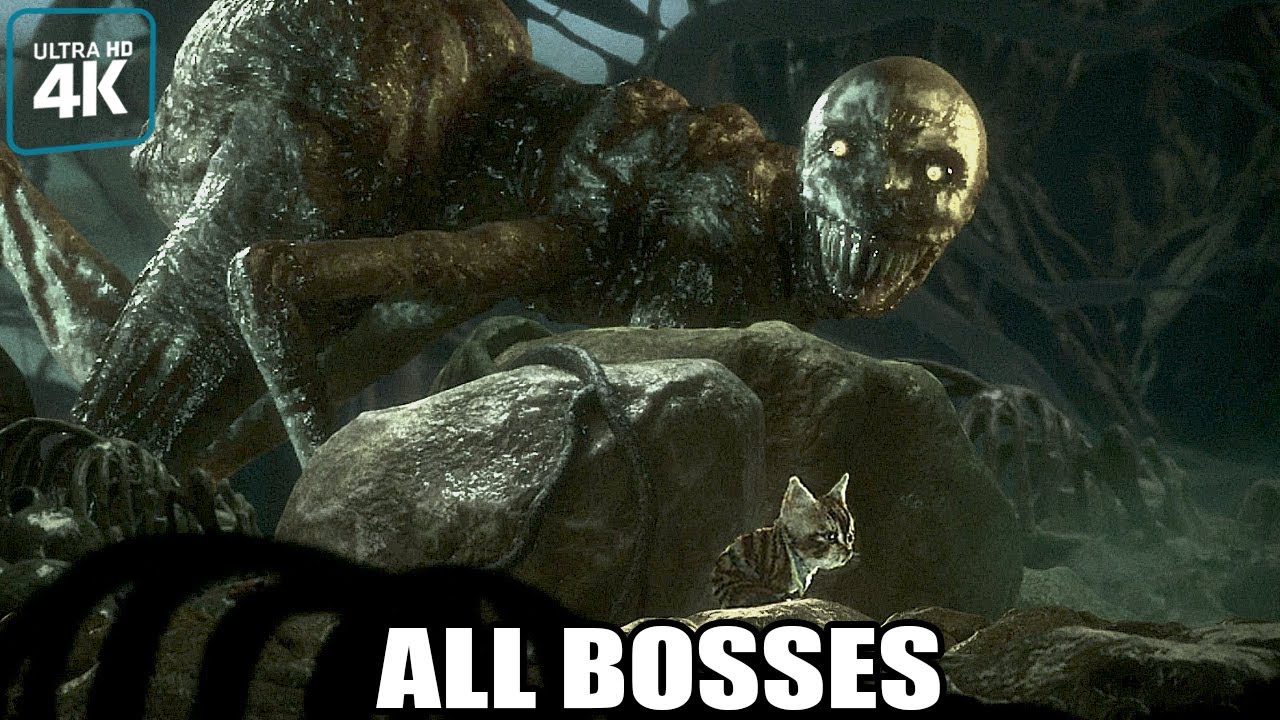
In The Spirit of the Samurai, every encounter feels like a test of patience and precision. From towering oni bosses with devastating combos to spectral foes that demand careful timing, the game’s free demo already showcases a diverse roster of enemies. This guide highlights each boss and enemy revealed so far, breaking down their attack patterns, weaknesses, and strategies to ensure you’re always one step ahead in battle.
The Spirit of the Samurai – Complete Boss and Enemy Guide
The Spirit of the Samurai isn’t just another action-adventure set in feudal Japan — it’s a showcase of tightly engineered combat encounters and AI-driven enemies that force players to adapt on the fly. With the recent demo and gameplay previews, Bushido Studios has revealed a roster of bosses and enemies that go beyond aesthetic design, each demanding unique strategies and exploiting different aspects of the game’s layered combat system.
Boss Design: Timing Over Button-Mashing
Boss fights in The Spirit of the Samurai are built around precision-based combat loops. Enemy AI relies heavily on animation telegraphs — delayed sweeps, feints, and chained combos — requiring players to read movement frames rather than spam-block.
-
Oni Warlord: Leverages stagger mechanics. Every blocked strike adds stamina strain, punishing overly defensive play. The counter is to bait heavy attacks and use dodge cancels for counter-strikes.
-
The Shrine Guardian: Introduces environmental interaction — players must use shrine lanterns to disrupt its ethereal form before delivering physical blows.
-
The Fallen Ronin: A fast duel-style fight where parry windows are tighter, highlighting the game’s frame-perfect deflection mechanic.
These bosses showcase how the developers are layering in variety — forcing players to rotate between stance control, stamina economy, and spirit ability timing rather than relying on one dominant strategy.
Enemy Variety and AI Behavior
Standard enemies aren’t filler; they’re combat puzzles designed to prepare players for boss mechanics.
-
Ashigaru Spearmen maintain formation AI, poking at mid-range and punishing reckless forward momentum.
-
Bandit Archers employ predictive aiming algorithms, leading shots if players dodge in patterns.
-
Spectral Yokai ignore terrain rules, phasing through obstacles and forcing players to manage vertical and spatial awareness.
Enemy clusters combine these behaviors, creating scenarios where prioritization — not brute force — determines survival.
Spirit Powers and Enemy Counters
One of the more technical layers comes from Spirit Powers, which work like cooldown-based abilities. In the demo, enemies actively adapt: the longer a spirit ability is spammed, the more resistant some foes become. This pushes players to weave spirit attacks between melee strikes instead of leaning on them exclusively.
Technical Presentation and Combat Feedback
Boss arenas use physics-based destruction systems — cracked stone pillars, shattered walls, and collapsible bridges become both hazards and tools. Combined with 3D audio cues (sword draws behind your back, growls echoing across caves), combat delivers not just on mechanics but on tension. These elements elevate the gameplay loop beyond traditional hack-and-slash, blending technical systems with immersive design.
Conclusion: Enemies That Teach Through Battle
Every boss and enemy in The Spirit of the Samurai isn’t just an obstacle — it’s a tutorial for what’s coming next. The careful balance of stamina economy, environmental manipulation, and adaptive AI marks this as one of the most technically promising samurai action games in years. Players who dive deep into its systems will find a combat sandbox that rewards study and precision as much as raw skill.

