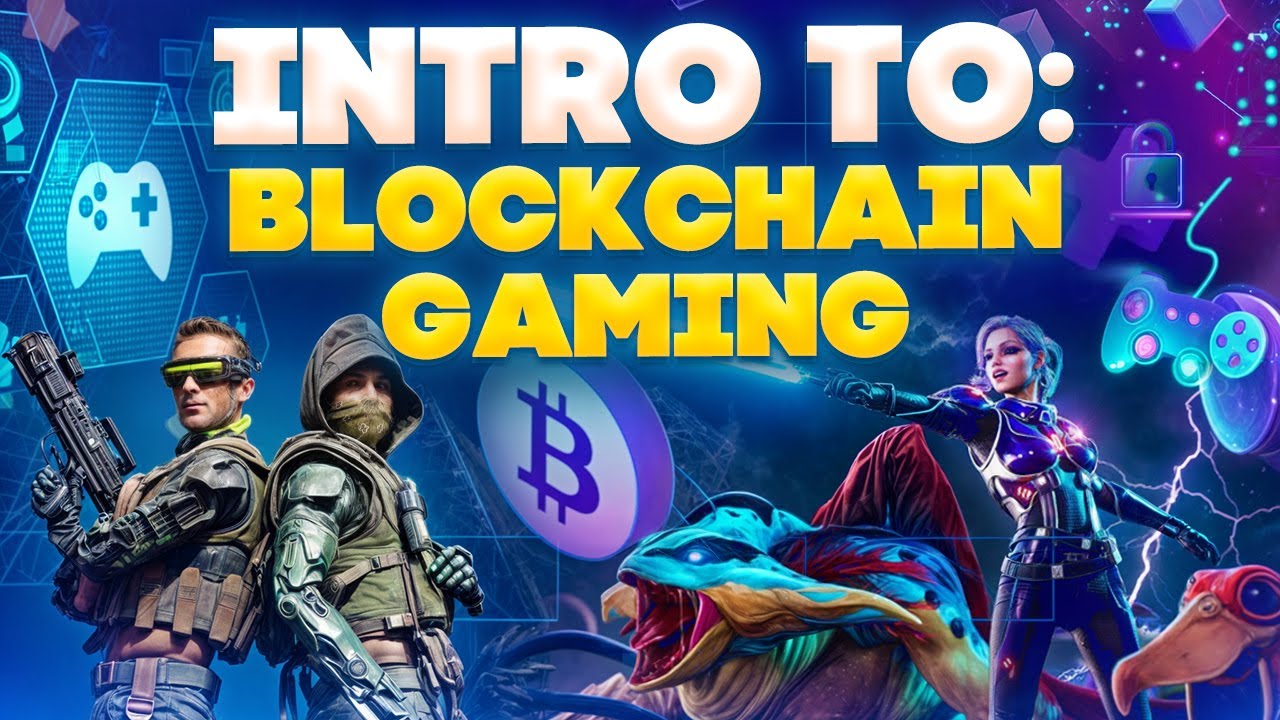
Explore the rise of blockchain gaming, a revolutionary shift in the gaming landscape offering control, security, and financial opportunities to players.
The Rise of Blockchain Gaming: How Web3 Is Redefining the Digital Playground
As the gaming industry evolves, few developments are sparking more curiosity, innovation, and debate than blockchain gaming. No longer just a buzzword, this next-gen model of game design is transforming how we define player ownership, in-game economies, and digital value. With NFTs, smart contracts, and decentralized platforms now shaping gameplay mechanics, blockchain gaming is quickly becoming the tech frontier that both players and developers are watching closely.
What Makes Blockchain Gaming So Different?
At its core, blockchain gaming is built on decentralized infrastructure—most commonly through Ethereum, Solana, and Polygon networks. Unlike traditional games that rely on centralized servers, blockchain games store player data, digital assets, and transactions directly on the blockchain. That means:
-
Your loot is truly yours – whether it’s a sword, skin, or character, you own the asset via a cryptographic token (often an NFT).
-
Smart contracts automate rules, rewards, and economy balances—removing the need for third-party mediation or company control.
-
Interoperability becomes possible—assets from one game may someday be transferable into another built on the same network.
How It Works: Under the Hood
1. NFTs as Game Assets
In blockchain games, items like characters, weapons, vehicles, or land plots are often minted as NFTs. These are non-fungible tokens with verifiable rarity and ownership, stored on-chain. This not only makes your assets portable and tradable outside the game—but it also allows devs to introduce true scarcity and dynamic in-game economies.
2. Token-Based Economies
Many blockchain games introduce two-layer token systems: one token used for in-game utility (crafting, upgrades, entry fees) and another tied to governance or real-world value. Axie Infinity popularized this with SLP and AXS, while games like Illuvium, Star Atlas, and Big Time are experimenting with more complex economic loops.
3. Smart Contracts and dApps
These self-executing pieces of code define game logic, distribute rewards, and facilitate transactions. Unlike traditional servers, these contracts cannot be tampered with after deployment, ensuring a transparent and immutable game world that lives as long as the blockchain does.
Why Players Are Excited
True Digital Ownership
Forget pay-to-play. Blockchain flips the model—letting players own, trade, and earn from their in-game efforts. If a game shuts down or bans you, your assets don’t vanish—they live on in your wallet and marketplaces like OpenSea or Blur.
Play-to-Earn (P2E) Mechanics
By completing quests, winning PvP battles, or breeding rare characters, players can earn crypto and NFTs with real monetary value. While P2E has had ups and downs, a new wave of sustainable tokenomics and skill-based earning models is driving a more balanced ecosystem.
Community-Governed Games
In some blockchain titles, holders of a game’s governance token can vote on updates, balance changes, or ecosystem partnerships. This signals a shift from passive consumption to active player-led development, blurring the line between gamer and game-maker.
Challenges Still to Overcome
While the potential is massive, blockchain gaming isn’t without friction:
-
Scalability and gas fees can hinder performance. However, Layer 2 solutions like Immutable X, Arbitrum, and zkSync are rapidly improving user experience.
-
Regulation remains unclear, especially where crypto rewards and NFTs intersect with gambling laws and asset classification.
-
User onboarding can still be clunky. Wallet integrations, seed phrases, and token bridging can be overwhelming for traditional gamers.
That said, newer platforms like Sequence, Stardust, and Fractal are working to abstract away complexity with seamless Web2-style logins and fiat-friendly marketplaces.
Where We’re Headed: The Next Level of Gaming
Big names like Ubisoft, Square Enix, and Epic Games are exploring Web3 integrations. Simultaneously, indie studios are launching entirely blockchain-native titles with deep lore, PvE campaigns, and cross-game economies. Expect to see:
-
Playable NFTs that evolve and level up
-
On-chain leaderboards and achievements
-
Dynamic, player-driven lore updates based on governance votes
-
Cross-title economies powered by a single token
Imagine earning a legendary NFT in one game and using it as a mount or badge in a completely different title—this is the interoperable future blockchain gaming is building toward.
Conclusion: Why Blockchain Gaming Matters
Blockchain gaming isn’t just a trend—it’s an ecosystem reshaping how we engage with digital worlds. From earning real-world income through gameplay to owning your virtual identity, the shift is redefining the gamer experience from the ground up.
Yes, it’s early. Yes, it’s technical. But that’s where the magic is: in innovation, transparency, and empowering players like never before.
So whether you're in it for the NFTs, the cutting-edge tech, or just the next great game—you’re not just playing. You’re pioneering.