
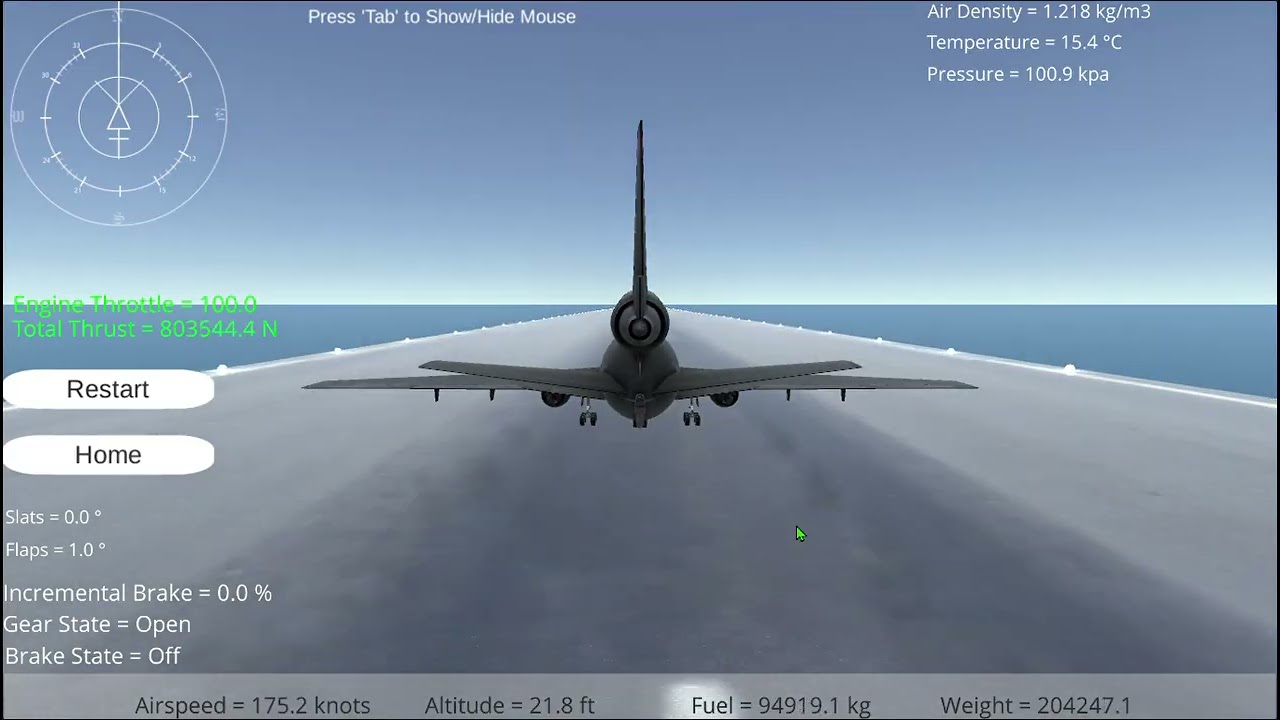
Explore the realism and thrill of fighter aircraft pilot flight simulators, a must-try for gamers seeking high-octane aerial combat experiences.
The Realism and Thrill of Aircraft Flight Simulators
Flight simulators have long captured the imaginations of aviation enthusiasts and gamers alike. With advancements in technology, these simulators have become more realistic and immersive, offering players an experience that closely mimics piloting actual fighter aircraft. In this article, we explore the evolution of fighter aircraft pilot flight simulators, their impact on gaming culture, and what makes them an exhilarating choice for gamers seeking high-octane thrills.
The Evolution of Flight Simulators: From Pixels to Precision
Flight simulation games have been around for decades, with early versions dating back to the late 1970s. Over the years, these games have evolved from simple pixelated graphics to highly detailed, three-dimensional environments that offer unparalleled realism. This evolution has been driven by advancements in computer hardware, software algorithms, and a growing demand for authenticity among gamers.
Modern simulators like DCS World and Microsoft Flight Simulator have set the bar high for realism, incorporating real-world physics, weather conditions, and accurate cockpit controls. The latest iterations of these simulators also feature virtual reality (VR) support, allowing players to fully immerse themselves in the role of a fighter pilot.
Key Features of Fighter Aircraft Flight Simulators
Realistic Flight Dynamics
One of the most crucial aspects of a flight simulator is its ability to replicate the physics of flying. This includes accurate modeling of lift, drag, thrust, and weight, as well as the effects of atmospheric conditions like wind and turbulence. Advanced simulators use real-time calculations to ensure that every maneuver feels authentic, from high-speed dogfights to precision landings.
Detailed Cockpits and Avionics
Modern flight simulators provide highly detailed cockpits that mirror those found in actual fighter jets. These simulators include working instruments and avionics systems such as radar, navigation, and communication tools. Players must learn to operate these systems, adding an extra layer of realism and complexity to the gameplay.
Dynamic Weather Systems
Weather plays a crucial role in aviation, and realistic flight simulators do not overlook this detail. Players must contend with changing weather conditions, which can affect visibility, aircraft performance, and mission outcomes. This feature challenges players to adapt their strategies and makes each flight unique.
The Thrill of Aerial Combat
For many gamers, the allure of flight simulators lies in the thrill of aerial combat. These simulators often include a variety of combat scenarios, from historical battles to fictional engagements. Players can engage in dogfights, ground attacks, and even large-scale operations, requiring strategic planning and quick reflexes.
Multiplayer modes add another dimension to the experience, allowing players to team up or compete against others from around the world. This social element fosters a sense of community among flight simulator enthusiasts and adds a competitive edge to the gameplay.
The Impact of Flight Simulators on Gaming Culture
Flight simulators have carved out a unique niche within the gaming landscape. They attract a dedicated community of players who are passionate about aviation and committed to mastering the intricacies of flight. This community often extends beyond the screen, with enthusiasts participating in forums, sharing custom missions, and even attending real-life meetups and conventions.
Furthermore, flight simulators have educational value, offering insights into the principles of aviation and the responsibilities of a fighter pilot. Some players are inspired to pursue aviation careers, citing their simulator experiences as a motivating factor.
Conclusion: The Future of Flight Simulation
As technology continues to advance, the future of flight simulators looks promising. Developers are constantly pushing the boundaries of realism, incorporating artificial intelligence, machine learning, and more sophisticated VR experiences. For gamers and aviation enthusiasts, these advancements promise even more immersive and thrilling experiences, making flight simulators a must-try genre for anyone looking to take to the skies.

