
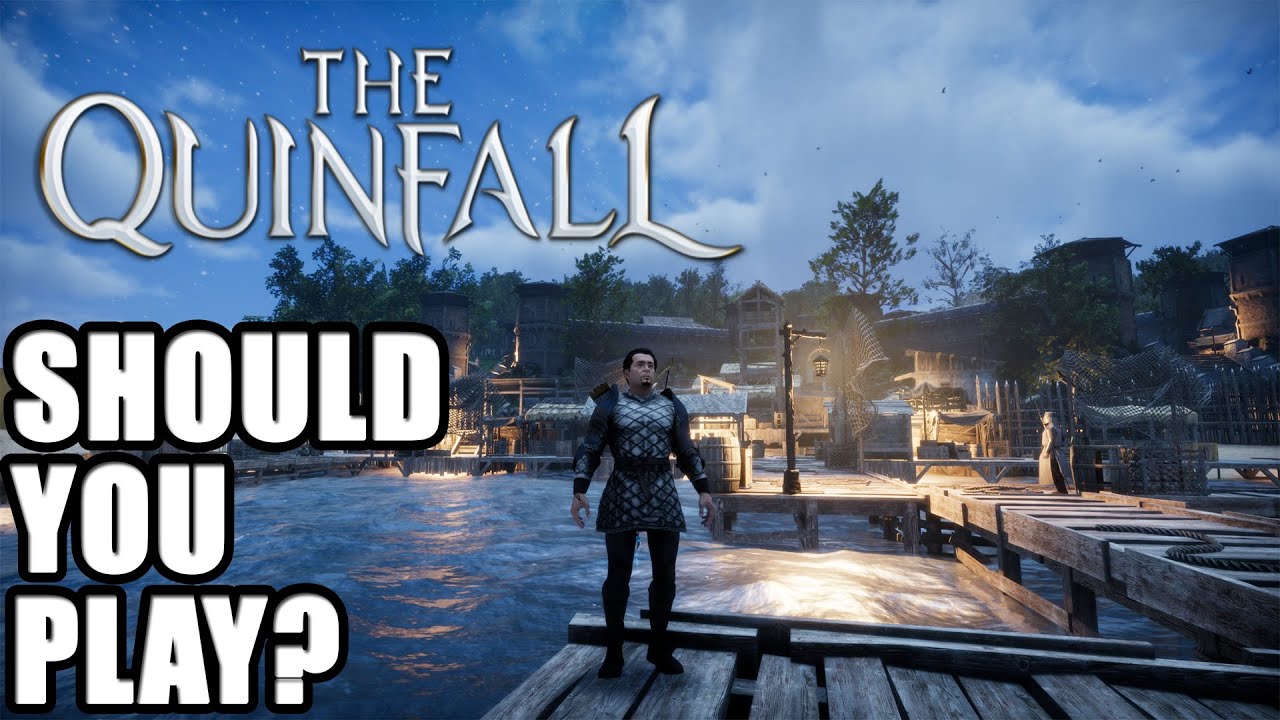
The Quinfall has been making waves as one of the most ambitious MMORPGs in recent years, with its free demo and updates teasing massive scale, player-driven systems, and a living open world. From sprawling cities to intricate crafting and combat mechanics, it’s clear the developers are aiming to push the genre forward. But does The Quinfall deliver on its promise, and is it worth diving in right now?
The Quinfall – Should You Play This Ambitious MMORPG?
The MMORPG genre has been searching for its next big leap forward, and The Quinfall is positioning itself as that contender. With its vast open world, player-driven systems, and technical ambition, this indie project from Dreamforge Games has already stirred up plenty of hype. But does it live up to its promise, and is it worth your time? Let’s dive into the systems, mechanics, and design choices that make The Quinfall stand out.
A Living, Reactive World
Unlike most MMOs where questlines reset endlessly, The Quinfall leans on dynamic world events that persist and evolve. Raids, wars, and NPC uprisings don’t just vanish after completion — they alter faction control, change economy hubs, and sometimes even shift which dungeons are accessible. This creates a player-influenced ecosystem rather than a static loop of fetch quests.
The demo and recent updates also highlight seamless exploration. There are no loading screens between regions, meaning you can ride from a coastal city into mountain strongholds without breaks in immersion. This tech choice makes Quinfall feel closer to a true single-shard world, similar to what ambitious MMOs like EVE Online strive for.
Combat and Progression Systems
Combat in The Quinfall blends action-targeting (aiming and positioning matter) with ability cooldown rotations that MMO players will find familiar. The key technical detail here is the stagger system — landing well-timed heavy attacks can interrupt enemy skills, but bosses have resistance thresholds that scale with group coordination. This makes PvE raids about more than DPS meters; precision and timing matter.
Progression uses a horizontal skill system rather than a strict vertical power climb. Players can branch into crafting, mercantile trading, or exploration-based perks without being locked out of combat viability. The most recent patch fine-tuned stamina and mana regen rates, giving more build diversity and reducing reliance on cookie-cutter specs.
Crafting, Economy, and Player Influence
The economy is a highlight. Materials don’t just drop in static zones — they’re tied to biome health. Over-farming forests leads to scarcer lumber and higher trade values, forcing players to balance personal profit against server-wide resource depletion. This creates a self-regulating market, encouraging trade caravans, guild monopolies, and even sabotage.
Crafting itself is node-based, with mini-games tied to refining processes. Metallurgy, for example, involves managing heat levels to maximize yield, rewarding attentive players with stronger gear rather than RNG rolls.
Visual Fidelity and Atmosphere
Built in Unreal Engine 5, The Quinfall makes heavy use of nanite meshes and lumen lighting. This isn’t just marketing fluff — the world’s villages, dungeons, and cities carry real texture density, and light behaves dynamically when carrying torches into dark caverns. The effect is that Quinfall feels alive in a way most MMOs struggle to capture.
Audio design matches this ambition. Weather systems alter ambient sounds, NPC chatter shifts during faction conflicts, and orchestral tracks adjust dynamically depending on whether you’re exploring, fighting, or crafting.
Community Systems and Social Play
Guilds in The Quinfall aren’t just social hubs. They tie directly into territory control mechanics. Owning land grants tax revenue, control over resource nodes, and even guild-driven law enforcement — guilds can set rules in their territory, impacting PvP and trade routes.
Another standout is the mentorship system, where high-level players can formally bind themselves to newcomers. This gives both parties unique rewards: the mentor gains resources, while the apprentice unlocks accelerated skill mastery. It’s a clever way to reduce entry barriers while reinforcing community bonds.
Should You Play The Quinfall?
The Quinfall is shaping up to be one of the most technically ambitious MMORPGs in years. Its player-driven economy, dynamic events, and seamless world design show a clear attempt to push the genre forward. It’s still early, and balancing such a massive system will be a challenge, but Dreamforge’s roadmap and responsiveness to feedback suggest strong long-term potential.
If you’re tired of static theme-park MMOs and want to experience a game where your actions can shape the world, The Quinfall deserves your attention. It’s not just another MMO — it’s an evolving experiment in what online worlds can be.

