
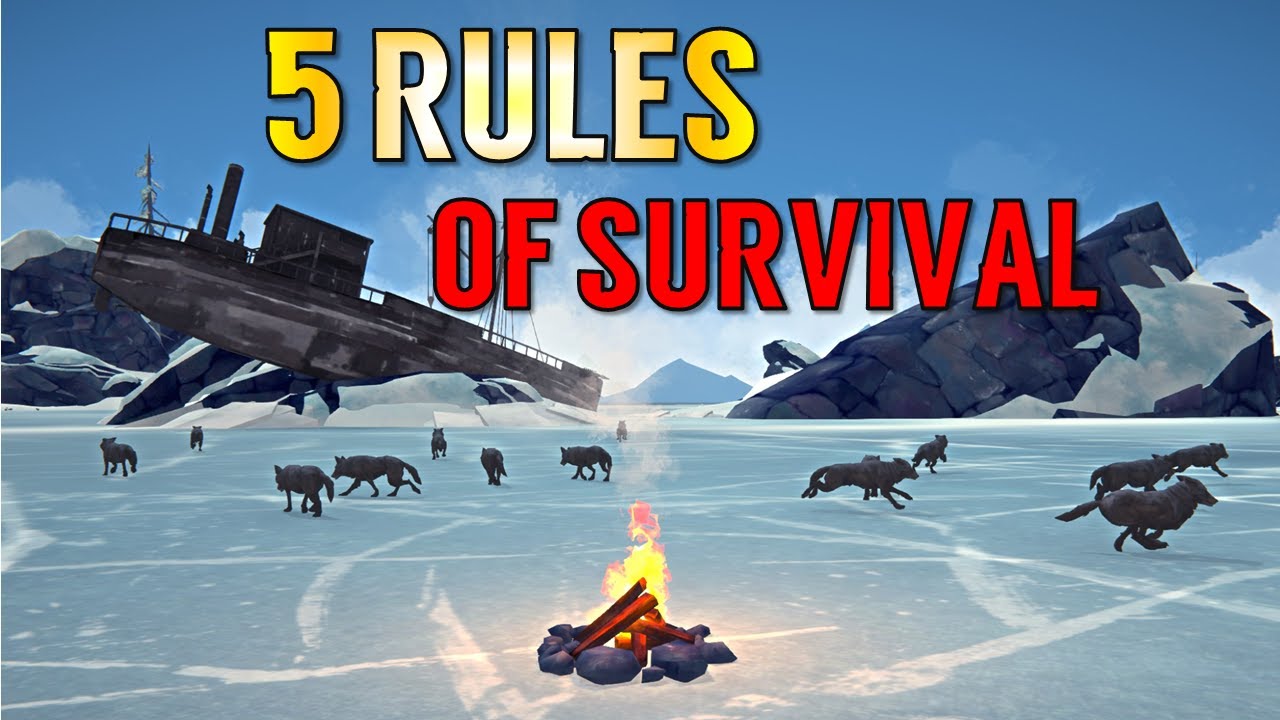
Surviving the Canadian wilderness in The Long Dark is no small feat, and success often comes down to mastering a few critical survival principles. This "The Long Dark Survival Guide" explores five must-know rules every player should follow to stay alive. From balancing calorie intake and warmth management to handling wolf encounters and planning efficient travel routes, these strategies dig into the game’s technical layers without losing sight of its immersive, atmospheric tension. Whether you’re a newcomer freezing on Mystery Lake or a veteran braving Timberwolf Mountain, these rules will sharpen your survival instincts and help you push further into the game’s unforgiving world.
The Long Dark Survival Guide: 5 Rules Every Player Must Master
Survival games thrive on tension, and few capture it as perfectly as The Long Dark. Instead of throwing players at hordes of zombies or mutants, Hinterland Studio’s frozen wilderness pits you against a far more relentless enemy: nature itself. Every decision—from when to light a fire to whether to risk a wolf encounter—matters. This The Long Dark Survival Guide goes beyond basic commentary and dives into the mechanics, strategies, and subtle details that separate the frozen corpses from the true survivors.
Rule 1: Master Core Resources
Every calorie, drop of water, and piece of wood matters. Cooking venison on an open fire isn’t just about filling a hunger bar—it burns precious fuel and risks attracting predators with the smell. Similarly, water must be melted and boiled, consuming both time and firewood, meaning you’ll constantly weigh tradeoffs between exploration and survival prep.
Rule 2: Temperature Is Your Real Enemy
Clothing is not just cosmetic—it’s layered, with stats for warmth, wind resistance, and protection. A bearskin coat may keep you alive in a blizzard, but it’s heavy and slows you down, costing stamina. Learning which gear to repair and when to risk venturing into exposed terrain is key to long-term survival.
Rule 3: Shelter and Route Planning
Every step in The Long Dark drains resources. Mapping routes with charcoal, identifying caves as emergency shelters, and timing travel to avoid storms can turn a hopeless situation into a successful supply run. Strategic shelter hopping is often the difference between making it back with full packs—or freezing a few meters from safety.
Rule 4: Learn Wildlife Behavior
Wolves stalk and circle before attacking. Bears patrol the same hunting grounds. Even rabbits and deer teach you the rhythms of the ecosystem. Understanding aggro ranges, baiting with decoys, and using tools like the flare gun or bow aren’t just tricks—they’re survival necessities.
Rule 5: Manage Condition and Fatigue
Unlike many survival games, The Long Dark tracks condition holistically. Freezing, starvation, dehydration, and exhaustion all chip away at your health pool, and one poor night’s planning can spiral into death. Knowing when to push through exhaustion for a supply run versus when to hunker down is a constant, tense decision.
Conclusion: Survival Through Strategy
The Long Dark isn’t about brute force—it’s about mastery of systems. Resource management, environmental planning, and wildlife behavior form a web of decisions where small mistakes snowball into disaster. For players who thrive on technical survival gameplay, this frozen sandbox delivers one of the most demanding and rewarding challenges in gaming today.


