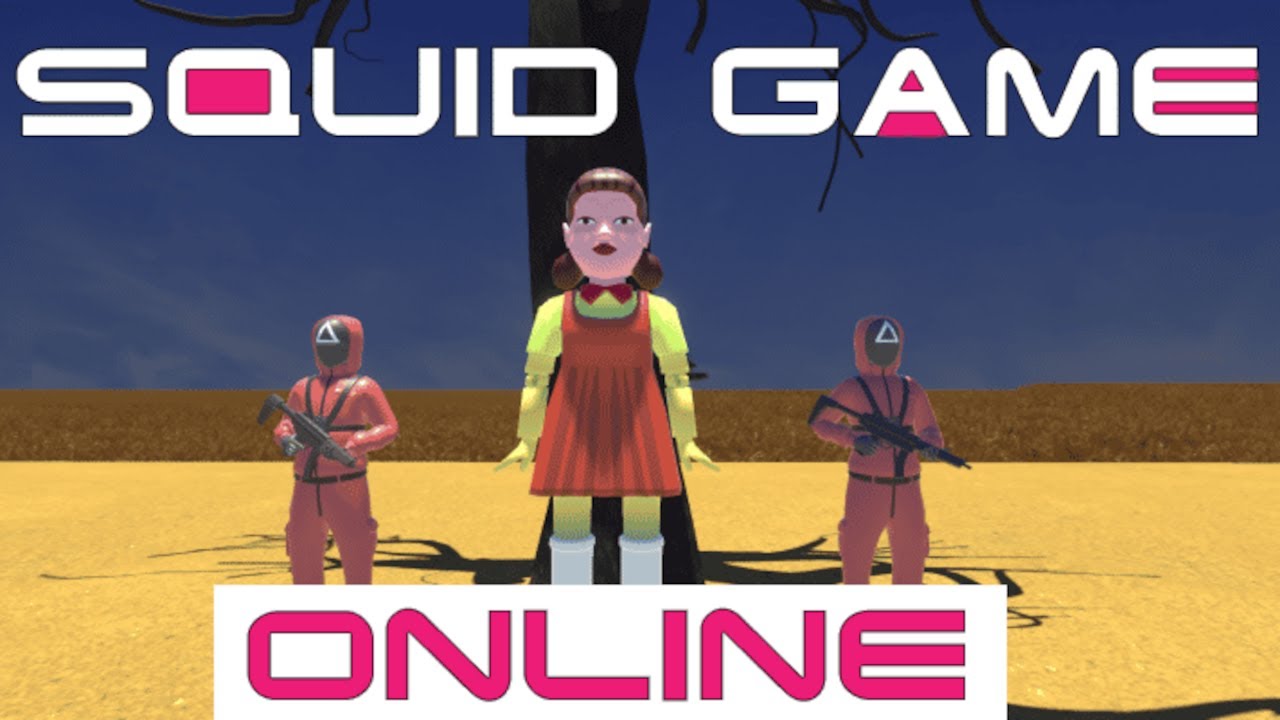
In Squid Game Online – Survival, Strategy, and High-Stakes Challenges, you’re dropped into a browser-based survival arena where 30 players battle through 7 brutal mini-games before only one remains. From Red Light, Green Light to Tug of War and Glass Bridge, each round demands precision, timing, and risk management. Fail a challenge, and the Pink Soldiers don’t hesitate to eliminate you. Recently updated with smoother movement, better hit registration, and more balanced mini-game pacing, Squid Game Online on CrazyGames delivers tension and chaos in every match.
Squid Game Online – Survival, Strategy, and High-Stakes Challenges
A Browser-Based Battle for Survival
Squid Game Online takes the brutal tension of Netflix’s hit series and translates it into a multiplayer survival arena. But this isn’t just a straightforward adaptation—it layers in technical mechanics that make every match feel like a mix of quick reflexes, tactical awareness, and resource management.
How the Game Works Under the Hood
At first glance, each mini-game seems simple, but Squid Game Online hides subtle systems beneath the surface.
-
Precision Movement and Timing: In Red Light, Green Light, the game relies on frame-perfect input detection. Slight latency or a poorly timed sprint can get you eliminated instantly, making responsiveness a technical skill in itself.
-
Physics-Based Challenges: Tug of War isn’t just button-mashing; it calculates force against player team balance, meaning coordination and timing spikes matter more than raw clicking speed.
-
Randomized Variables: In Glass Bridge, panels don’t always break in the same sequence. This ensures every round introduces unpredictability, preventing players from “memorizing” solutions.
These elements create a technical edge that separates casual runs from competitive mastery.
Multiplayer and Competitive Edge
Every lobby loads up with dozens of players, and thanks to server-side synchronization updates, movement feels smoother than early releases. The devs have recently fine-tuned hit registration and collision detection, reducing unfair eliminations in tight challenges.
Team play mechanics add another dimension: players can form alliances during Dalgona Candy or Tug of War, but betrayals are frequent once the stakes rise. This psychological layer mirrors the show’s tension while keeping gameplay fresh.
Progression and Customization
The in-game currency system isn’t just cosmetic fluff. Earnings scale based on survival time and challenge performance, rewarding efficient players with skins, emotes, and minor interface tweaks. The latest update expanded avatar customization, giving the community more ways to stand out while keeping performance optimization intact for browser play.
Community and the Competitive Scene
With its growing popularity, Squid Game Online has spawned Discord communities and unofficial tournaments where players share tactics. Competitive discussions often focus on micro-optimizations, like how to position during Red Light, Green Light to minimize reaction lag, or how to angle in Tug of War for the best force distribution.
Final Thoughts
Squid Game Online succeeds because it goes beyond being a novelty spin-off—it layers real technical systems into its mini-games. With improved netcode, ongoing balance tweaks, and unpredictable high-stakes mechanics, it delivers a survival experience that feels both chaotic and skill-based. For fans of the series or gamers who crave intense competitive showdowns, this browser battler is a must-play.