
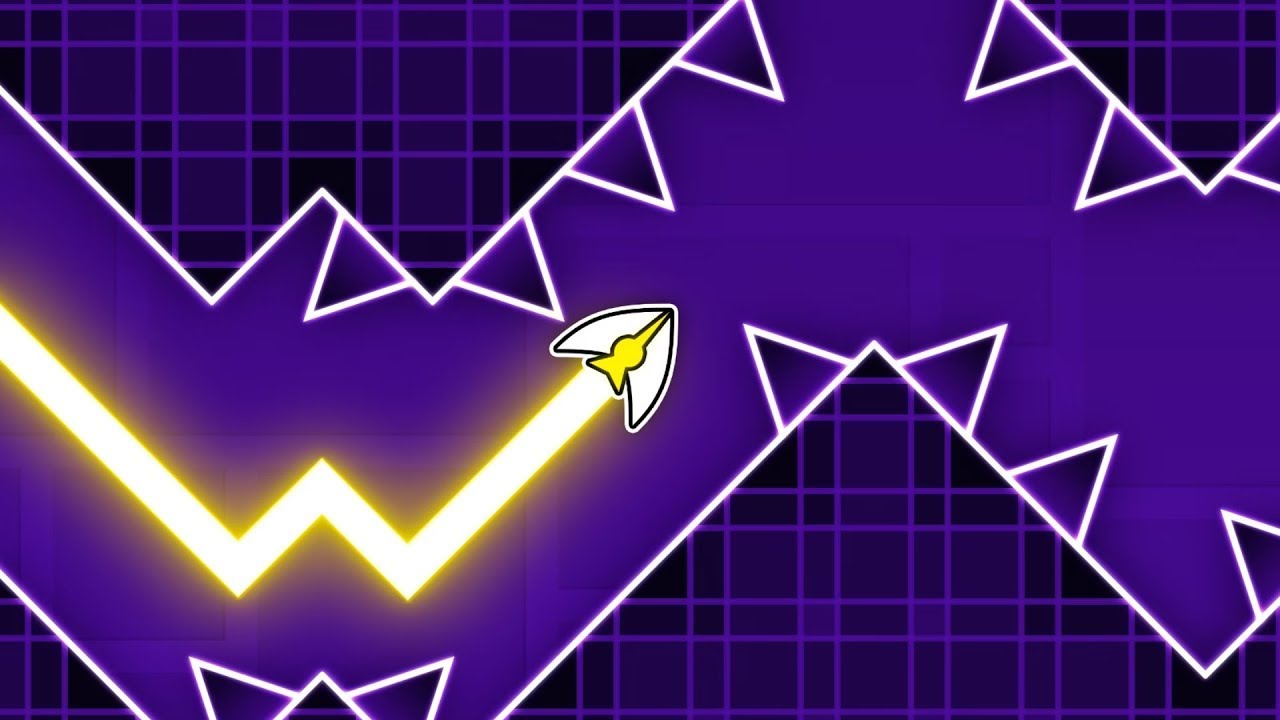
In Space Waves: How to Soar Through Tricky Paths, your arrow becomes a precision instrument—every movement counts. With 33 levels built in Unity WebGL, the game demands split-second corrections to avoid rotating gears, narrow tunnels, and tight walls. Thanks to the August 2025 update, obstacle patterns now sync with background animation cycles, giving you a visual cue to preempt danger—anticipate, don’t just react.
Space Waves: How to Soar Through Tricky Paths
If you’ve spent any time exploring browser-based skill games on CrazyGames, you’ve likely come across Space Waves — a minimalist yet brutally precise rhythm racer that tests your reflexes and focus. Don’t let the clean visuals fool you. This isn’t just a simple line-dodging game; it’s a precision-based gauntlet where physics, momentum, and timing collide in a cosmic dance of chaos and control.
The Science of Motion – Understanding Space Waves’ Core Mechanics
At its core, Space Waves is built around momentum control and reaction-based navigation. The game’s physics engine — powered by Unity — ensures that every micro-adjustment to your arrow’s path feels immediate and deliberate. Each of the 33 handcrafted levels introduces new obstacles: rotating barriers, shifting walls, and dynamic tunnels that demand razor-sharp accuracy.
The recent Path Precision update (August 2025) refined input sensitivity, making directional controls smoother and more responsive across both keyboard and touch interfaces. The result? You can now glide through tight corners with far greater control — but you’ll also need to master micro-taps and angle adjustments to maintain stability at higher speeds.
Reading the Rhythm of the Void
What makes Space Waves truly addictive is its integration of visual rhythm. Every pulse, rotation, and obstacle syncs with the background patterns and sound design. Skilled players use these subtle cues to anticipate obstacles before they appear on screen. It’s less about reacting and more about predicting — a subtle shift that separates rookies from veterans.
Advanced players have even started exploiting the frame pacing between transitions, using quick directional reversals to “ride” the edges of waves rather than dodging them head-on — a high-level tactic known in the community as “edge surfing.”
The Strategy Behind Smooth Navigation
To master Space Waves, think like a pilot. Control your acceleration through short bursts rather than holding a single trajectory. The game’s invisible inertia system means sustained input increases drift, making fine corrections harder. Short, rhythmic taps provide far more precision.
Some obstacles rotate in sync with the audio track’s BPM — a small but deliberate design choice that rewards auditory awareness as much as visual focus. Plugging in headphones gives a subtle but measurable advantage.
Community Discoveries and Speedrun Meta
The Space Waves community is thriving, with players dissecting level design and sharing speedrun strategies online. The 1.7 update introduced replay ghosts, letting players compare their best runs with friends or global leaders. This small addition transformed the game into a competitive precision racer, inspiring players to push their skills further each run.
Conclusion – The Art of Control in Motion
Space Waves isn’t just about reflexes — it’s about rhythm, physics, and mastering control under pressure. With each update tightening performance and expanding community engagement, it continues to prove how browser-based games can deliver both technical polish and intense challenge.
If you’re looking to test your focus and dexterity, or just love the rush of weaving through neon corridors at light speed, this is your next obsession.


