Explore the rise of web games, their accessibility, technological advancements, and popular titles, marking a new era in online entertainment.
See what has happened to Web Games!
In the early 2000s, web games weren’t just popular—they were a cultural phenomenon. Titles like Club Penguin, Bin Weevils, and Moshi Monsters weren’t just games; they were virtual playgrounds that defined a generation of online interaction. But in 2025, these iconic worlds are long gone. So what happened?
In this article, we’ll take a nostalgic yet technically insightful look at what made early web games so magical, what caused their downfall, and how modern technologies are resurrecting browser-based gaming in exciting new ways.
The Golden Era of Web Games
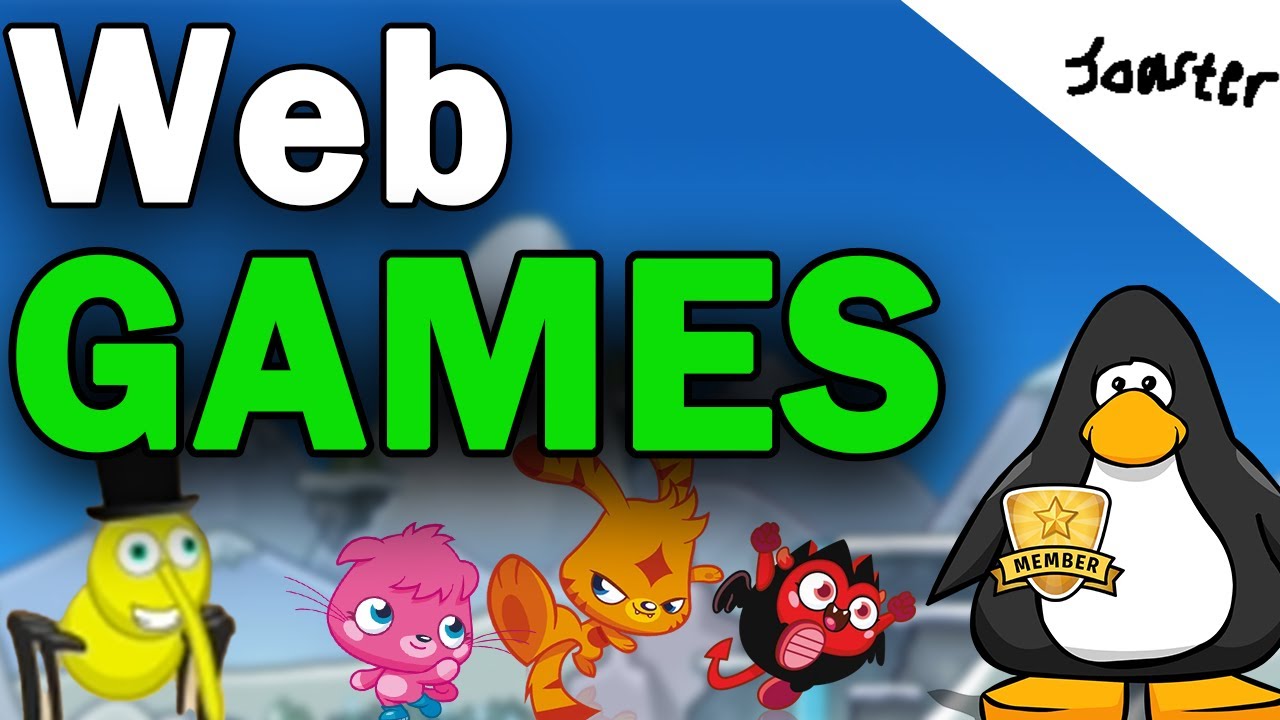
Before smartphones were ubiquitous, kids and teens around the world logged into Flash-powered virtual worlds during school breaks and after homework. Games like:
-
Club Penguin (launched in 2005)
-
Bin Weevils (2007)
-
Moshi Monsters (2008)
...offered more than just minigames. They were early social hubs with customizable avatars, chat systems, pet mechanics, item trading, and even rudimentary virtual economies. These games succeeded because they were:
-
Instantly accessible (just open a browser)
-
Free-to-play, with optional memberships
-
Socially driven, fostering friendships and user-created content
But behind the joy, early web games had one major technical weakness: dependency on Adobe Flash.
The Fall: What Went Wrong?
Despite their massive popularity, most iconic web games collapsed by the late 2010s. Here's why:
1. Flash End-of-Life (EOL)
Adobe Flash was once the engine that powered over 80% of browser-based games. But due to security vulnerabilities and a lack of mobile compatibility, Adobe officially discontinued it in 2020. This effectively killed any game built on Flash unless it was rebuilt from the ground up.
2. Monetization Problems
Games like Moshi Monsters and Club Penguin operated on child-safe freemium models. But when the mobile app economy exploded—with aggressive IAP strategies and global reach—these web-first games struggled to adapt. They were too slow to transition to apps, and their monetization strategies were too modest to scale.
3. Platform Fragmentation
As kids moved from family desktop computers to tablets and smartphones, Flash games—designed for mouse and keyboard—failed to keep up with the mobile UX revolution.
4. Corporate Acquisitions and Mismanagement
Disney’s acquisition of Club Penguin (2007) and Mind Candy’s pivot away from Moshi Monsters’ core audience led to a dilution of what made these games special. Combined with rising server costs and waning active users, many of these worlds shut down permanently.
The Technical Resurrection: HTML5, WebGL & WASM
Flash may be dead, but web gaming is far from over. In fact, it’s in the midst of a high-tech comeback, thanks to modern browser technologies like:
HTML5
Allows responsive, media-rich games to run seamlessly across platforms without plugins. It became the new standard for browser interactivity.
WebGL & WebGPU
These enable real-time 3D graphics and shader support in browsers. Games today can offer console-quality visuals using your GPU—no downloads required.
WebAssembly (WASM)
Lets devs compile high-performance code (C++, Rust, etc.) directly into the browser. It powers physics, AI, multiplayer netcode, and more—all at near-native speeds.
The New Generation of Web Games
Modern web games look, sound, and perform nothing like their predecessors. Examples of this new wave include:
-
Deadshot.io – A twitch-accurate multiplayer shooter in-browser using WASM and WebSockets
-
Little Alchemy 2 – A sleek puzzle sandbox with instant load times and multi-platform syncing
-
RuneScape (HTML5 version) – Fully ported from Java to run with modern standards and enhanced graphics
Many of these games now integrate:
-
Progressive Web App (PWA) functionality for offline support
-
Cloud-synced save states across devices
-
Real-time multiplayer lobbies powered by WebRTC or serverless backends
Social Integration & Community Revival
A large part of Club Penguin and Bin Weevils’ appeal was social interaction. While many modern web games have focused on solo gameplay, a resurgence of multiplayer chat systems, guilds, and Discord integration is bringing back the communal spirit.
Developers are using OAuth2 and WebSockets to create persistent online worlds, friend systems, and seasonal events—hallmarks of what made early web MMOs so sticky.
Are We Entering a New Web Game Renaissance?
Yes—and it's not just nostalgia. It’s technically superior, commercially viable, and mobile-compatible now.
Many developers who grew up playing Club Penguin and Moshi Monsters are building new web-first experiences with better infrastructure and smarter monetization models—ads, NFTs (selectively), subscriptions, and community passes. Tools like Unity WebGL builds, PlayCanvas, and Godot HTML5 exports make high-end web game development more accessible than ever.
Conclusion: The Evolution Continues
The era of Flash may be over, but web games are far from gone. They’ve evolved from quirky kids’ worlds into sophisticated, cross-platform titles driven by modern browser tech.
While Bin Weevils, Club Penguin, and Moshi Monsters may be part of internet history, their legacy lives on—in design principles, community-first thinking, and the drive to make games universally accessible.
Whether you're firing up a retro emulator or playing a WASM-powered FPS, web games are still here—and they're getting stronger every year.