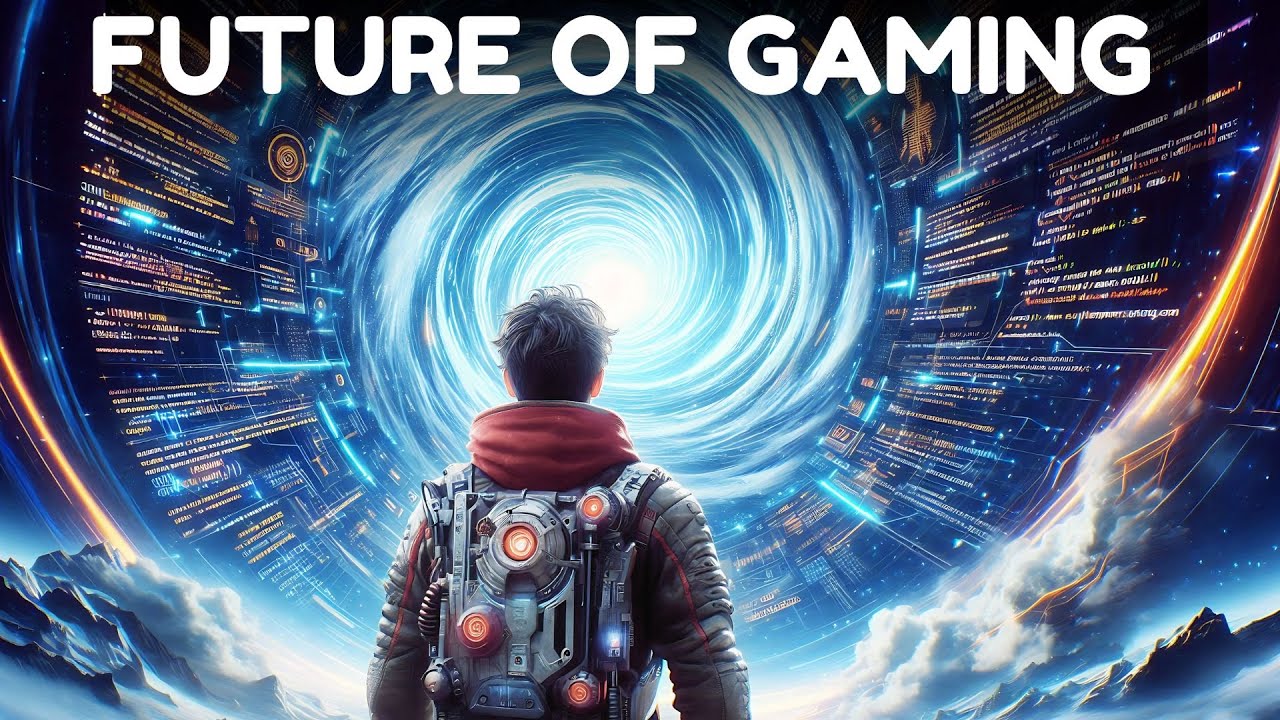
Explore how AI-driven NPCs are revolutionizing video games, offering deeper narratives and more immersive player interactions.
The Rise of AI-Driven NPCs in Video Games: Transforming Virtual Worlds
In the ever-evolving landscape of video games, non-playable characters (NPCs) have traditionally been the backdrop against which player-driven narratives unfold. However, with the advent of artificial intelligence (AI), these once-static entities are becoming dynamic, interactive participants in the gaming world. This transformation is reshaping how players engage with video games, offering richer narratives and more immersive experiences.
The Evolution of NPCs
Historically, NPCs have served basic functions such as quest-givers, merchants, or simple adversaries. Their behavior was scripted and predictable, which limited their ability to create engaging interactions. However, the integration of AI has begun to change this paradigm. From complex decision-making processes to adaptive learning, AI-driven NPCs are now capable of exhibiting behaviors that mimic human intelligence.
AI and Machine Learning: The Game Changers
At the heart of this evolution is machine learning, a subset of AI that allows NPCs to learn from player interactions and adapt over time. This technology enables NPCs to modify their strategies, dialogue, and behaviors based on player actions. For instance, in games like Red Dead Redemption 2, NPCs react to the player's reputation and previous interactions, creating a more personalized and immersive experience.
Moreover, AI-driven NPCs can now perform complex tasks such as pathfinding, decision-making, and even emotional responses. These advancements allow for more sophisticated storytelling and gameplay mechanics, making virtual worlds feel vibrant and alive.
Enhanced Player Engagement
AI-driven NPCs contribute significantly to player engagement by offering unique and varied interactions. In narrative-driven games, NPCs with AI capabilities can alter the storyline based on player choices, leading to multiple possible endings and encouraging replayability. This dynamic interaction model elevates the player's sense of agency and investment in the game world.
Additionally, AI-enhanced NPCs can offer realistic social interactions, making multiplayer experiences more social and interconnected. Games like The Elder Scrolls V: Skyrim have shown how NPCs with distinct personalities and backstories can enrich the player's journey through their virtual environments.
The Role of Procedural Generation
Procedural generation, when combined with AI-driven NPCs, can create expansive and diverse game worlds. This technique allows developers to generate vast landscapes and unique NPCs on the fly, ensuring that no two player experiences are the same. This approach not only enhances replayability but also keeps the gaming world fresh and unpredictable.
Challenges and Future Prospects
Despite the promising advancements, integrating AI into NPCs is not without challenges. Developers must balance AI complexity with performance constraints to ensure smooth gameplay. Additionally, ethical considerations regarding AI behavior and player impact must be addressed to prevent unintended consequences in gaming experiences.
Looking ahead, the future of AI-driven NPCs is promising. As technology continues to advance, we can expect even more sophisticated behaviors and interactions. Virtual reality (VR) and augmented reality (AR) are poised to further enhance these experiences, blurring the line between reality and virtual worlds.
Conclusion
The rise of AI-driven NPCs is a testament to the transformative power of technology in the gaming industry. By creating more engaging, interactive, and believable characters, AI is redefining what is possible in video games. As developers continue to explore the potential of AI, players can look forward to increasingly immersive and personalized gaming experiences that push the boundaries of creativity and storytelling.