Explore the resurgence of web games and how advances in technology and changing consumer habits are driving a digital content revolution.
The Resurgence of Web Games: Why Digital Content is Booming Again
The world of gaming has always been in a state of constant evolution, adapting to new technologies and player preferences. Recently, we've witnessed a remarkable resurgence in the popularity of web games. These lightweight, accessible games are experiencing a renaissance, fueled by advances in technology and changes in how we consume digital content.
The Golden Era of Web Games
In the late 1990s and early 2000s, web games were all the rage. Platforms like Newgrounds and Miniclip were household names, offering an array of games that could be played directly in a web browser without the need for downloads or installations. However, as technology advanced, the focus shifted towards more graphically intensive games, leading to the decline of simple browser-based entertainment.
Technology Driving the Revival
The recent revival of web games can be attributed largely to technological advancements. HTML5 has replaced Flash as the standard for web content, allowing developers to create rich, interactive experiences that are compatible across multiple devices. This shift has enabled a new generation of web games that are more visually appealing and feature-rich than their predecessors.
Furthermore, the proliferation of high-speed internet and the widespread availability of powerful mobile devices mean that players can access these games anytime, anywhere. The rise of cloud gaming platforms such as Google Stadia and NVIDIA GeForce Now also suggests a future where games are streamed seamlessly, making web games an attractive option for quick, on-the-go gaming sessions.
Changing Consumer Habits
Modern gamers are increasingly looking for quick, easy-to-access experiences that fit into their busy lifestyles. Web games offer just that—instant entertainment without the need for long downloads or installations. Additionally, the social and casual nature of many web games appeals to a broad audience, attracting players who may not consider themselves traditional gamers.
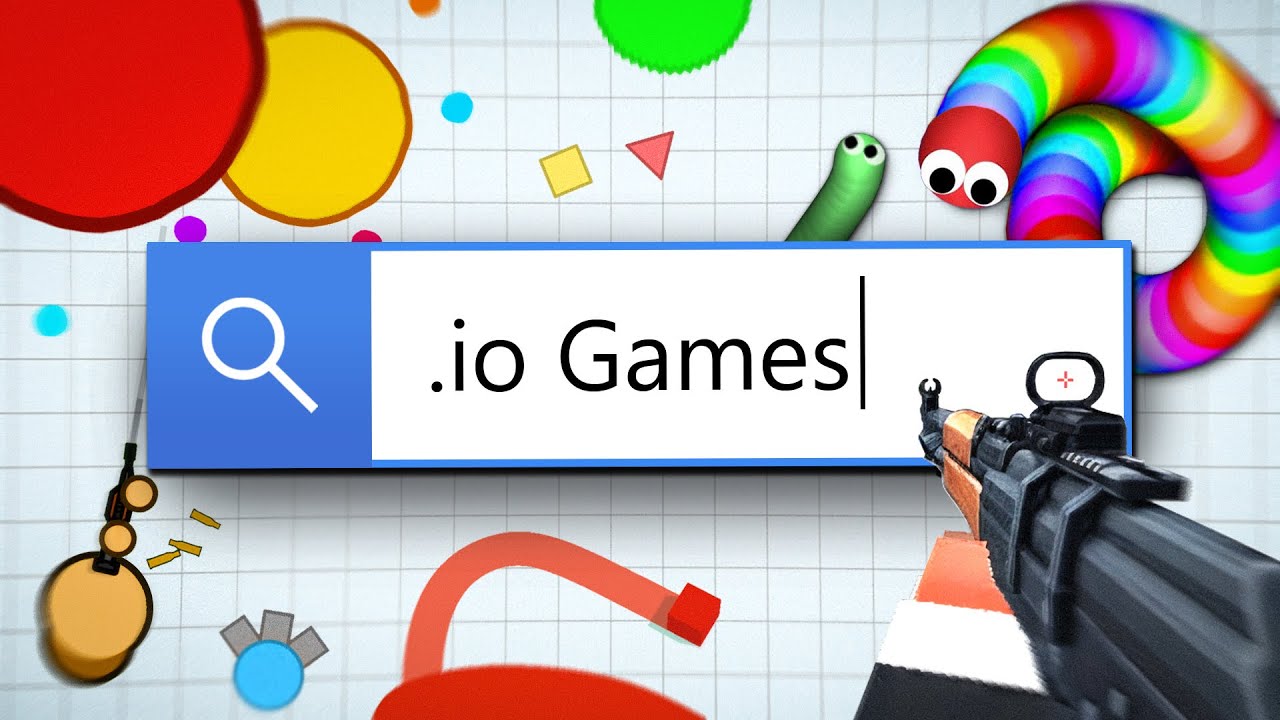
Another factor driving the resurgence is the rise of hyper-casual games. These games, characterized by simple mechanics and short play sessions, are often played in web browsers. They have become a staple in the mobile gaming market and are now making their way onto desktop platforms as well.
The Role of Social Media and Online Communities
Social media platforms and online communities have played a significant role in the comeback of web games. Websites like Kongregate and forums such as Reddit provide spaces for indie developers to showcase their creations, gaining visibility and feedback from gamers worldwide. Streaming services like Twitch have also become popular venues for sharing web game content, further boosting their popularity.
The Future of Web Games
As the demand for accessible and engaging digital content continues to grow, web games are poised to become an even more significant part of the gaming landscape. Developers are exploring new ways to innovate and engage players, incorporating elements like augmented reality and blockchain technology into their games.
This resurgence signifies a shift back towards the roots of gaming—where creativity, accessibility, and community-driven content reign supreme. Whether you're a casual player looking for a quick distraction or a dedicated gamer seeking new experiences, the world of web games offers something for everyone.
Conclusion
The revival of web games is a testament to the ever-changing nature of the gaming industry. As technology and consumer preferences evolve, so too do the ways in which we experience games. The current boom in web games reflects a broader trend of returning to simpler, more accessible gaming experiences that prioritize fun and community engagement. As we look to the future, it's clear that web games are not just a passing fad but a lasting part of the gaming ecosystem.