
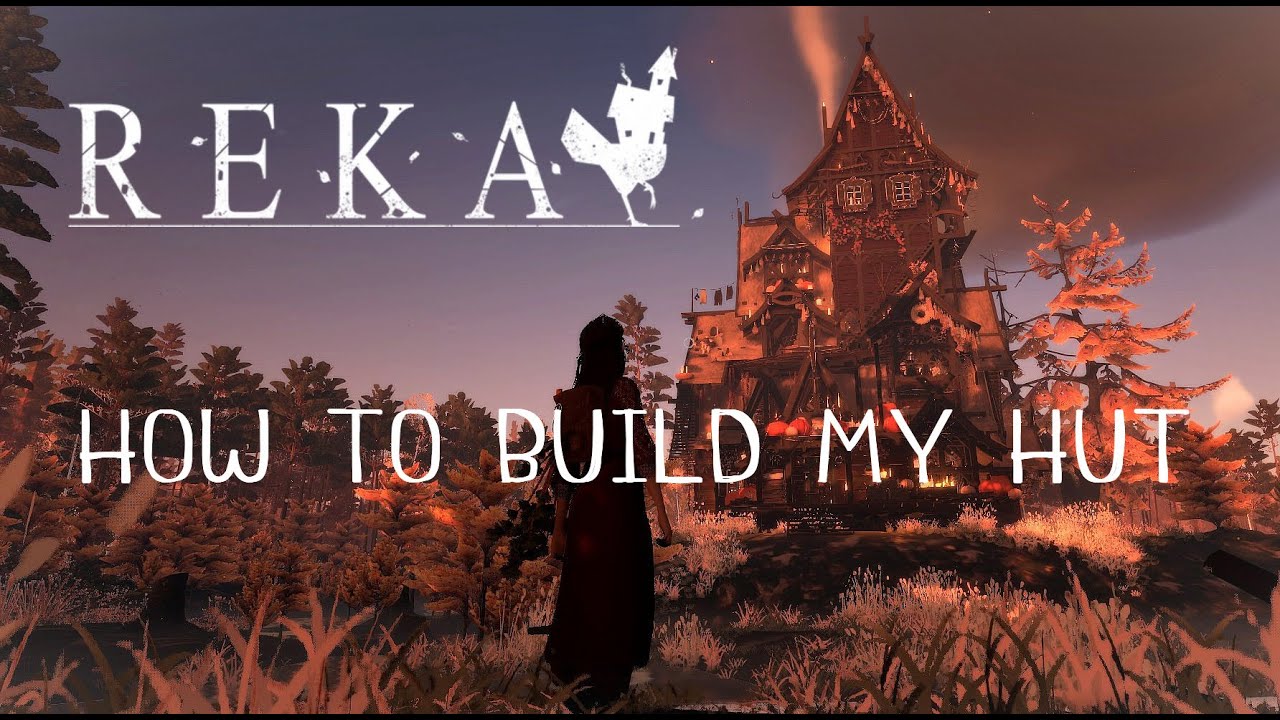
The REKA House Building Guide shows just how deep this cozy-yet-magical survival sim goes. Starting with humble foundations, players can design and expand their witch’s house piece by piece — adjusting walls, crafting unique upgrades, and enchanting interiors to fit their playstyle. With recent demo updates highlighting improved customization and crafting systems, REKA makes house-building more than survival — it’s about commanding your own moving homestead in a world filled with magic and mystery.
REKA House Building Guide – Create, Customize, and Command Your Own Magical Home
Building in REKA isn’t just about stacking walls and roofs — it’s about mastering a set of interconnected systems that turn your witch’s home into a living, evolving entity. The free demo and recent gameplay updates have highlighted just how deep these mechanics go, showing that house building is equal parts creativity, strategy, and resource management.
Getting Started: Foundations and Core Systems
Construction begins with the blueprint system, which acts like a living draft. Instead of rigid prefabs, REKA uses modular snap-points tied to a physics grid. This ensures stability matters — uneven terrain or rushed placement can create weak structures that buckle during storms. Mastering this grid early prevents wasted materials and awkward rebuilds.
Material Properties and Durability
Each building material — wood, stone, clay, and enchanted variants — has its own durability curves and passive traits. For example:
-
Wood: Fast to gather, easy to shape, but vulnerable to weathering.
-
Stone: High durability, but heavy, requiring reinforced foundations.
-
Clay/Enchanted Brick: Strong insulation bonuses that reduce energy needs in colder regions.
Recent updates introduced weather-linked degradation, meaning rain and frost gradually weaken unsealed surfaces. This mechanic forces players to invest in treatments or upgrades, adding a survival element to what might otherwise be cosmetic choices.
Advanced Tools and Planning
Beyond the hammer and palette, REKA includes a Blueprint Planner AI that overlays stress maps on your design. This lets you identify points of weakness before committing resources. Builders can also toggle “flow lines” — a visual system that shows how light, air, and magical energy circulate in your home, encouraging functional layouts rather than random builds.
Environmental Synergy
Building isn’t isolated from the world — your house interacts with biome energy flows. Place windows or shrines incorrectly, and you may disrupt passive bonuses like faster herb growth or stable indoor temperatures. Conversely, aligning your house with ley lines enhances spirit energy regeneration, feeding directly into REKA’s magical progression systems.
Customization and Interior Design
Customization goes well beyond aesthetics. Wall textures and decor items come with functional modifiers. Rugs dampen sound, reducing detection in stealth scenarios. Heavy doors improve defense against hostile raids. Lighting choices affect NPC comfort and even alter dialogue outcomes in story-driven events.
Dynamic Upgrades and Mobility
One of the most unique aspects is REKA’s living house mechanic. Your homestead isn’t static — as you progress, you can reinforce, expand, and even mobilize it. The demo teased the ability to anchor your house to enchanted roots, allowing partial relocation. This means your home evolves with you, becoming not just a base but a partner in your journey.
Conclusion: Building as Progression
In REKA, house building is more than a sandbox feature — it’s tied to survival, progression, and storytelling. From physics-driven durability to magical environmental synergy, every choice shapes not just how your house looks, but how it performs in a dangerous world. If you want to thrive, treat your home as both sanctuary and system — plan carefully, build smart, and watch your magical base grow into something extraordinary.


