Explore how accessibility is revolutionizing web games, making them more inclusive and essential for future game content development.
The Power of Accessibility: Why It Will Be the Cornerstone of Web Game Content
In recent years, the gaming industry has witnessed a transformative shift towards inclusivity and accessibility. As web games continue to gain popularity, developers and publishers are increasingly prioritizing accessibility to reach a broader audience. This trend not only enhances the gaming experience for players with disabilities but also enriches gameplay for all users. In this article, we explore how accessibility is revolutionizing web game content and why it is poised to become the cornerstone of this burgeoning sector.
The Rise of Accessible Gaming
Accessibility in gaming refers to the design and implementation of game features that accommodate players with varying abilities. This includes options for visual, auditory, motor, and cognitive accessibility. Historically, the gaming industry has faced criticism for its lack of inclusivity, but recent advancements have spurred a positive change. The rise of web games, which are inherently more accessible due to their platform-agnostic nature, has further accelerated this shift.
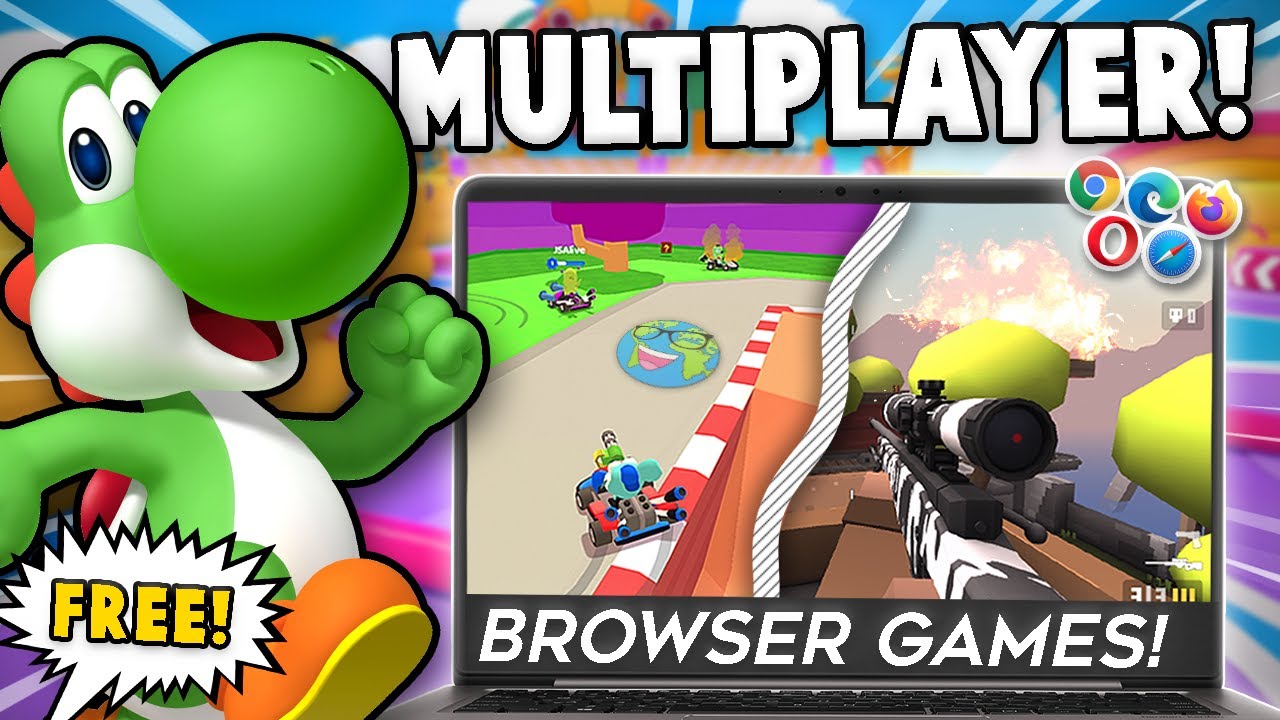
Web games, often playable on any internet-connected device, eliminate the need for specialized hardware, making them accessible to a wider audience. The advent of HTML5 has facilitated the development of web games with enhanced graphics and functionality, bridging the gap between traditional and web-based gaming.
Key Accessibility Features in Web Games
Game developers are implementing a variety of features to ensure their web games are accessible to everyone. Some of these key features include:
- Customizable Controls: Allowing players to remap keys and adjust sensitivity settings ensures that individuals with motor impairments can enjoy a seamless gaming experience.
- Text-to-Speech and Screen Readers: Integrating text-to-speech functionality and compatibility with screen readers helps visually impaired players navigate menus and in-game content.
- Subtitles and Closed Captioning: Providing subtitles and closed captioning for in-game dialogue and sound effects enhances accessibility for players with hearing impairments.
- Colorblind Modes: Offering colorblind-friendly palettes ensures that games are visually accessible to those with color vision deficiencies.
The Business Case for Accessibility
Embracing accessibility is not only a moral imperative but also a sound business strategy. According to the World Health Organization, over 1 billion people globally experience some form of disability. By designing games that are accessible to this demographic, developers can tap into a vast, often underserved market, driving user engagement and increasing revenue.
Moreover, accessibility features enhance the overall user experience, benefiting all players. Features like customizable controls and subtitles are appreciated by those without disabilities for the added convenience and flexibility they offer.
The Future of Web Game Content
As the demand for web games continues to grow, accessibility will play a pivotal role in shaping the future of gaming content. Developers are not only focusing on enhancing accessibility features but also on creating inclusive narratives and characters that resonate with a diverse audience.
Innovations in technology, such as AI-driven accessibility solutions, are set to revolutionize how web games are developed and played. Machine learning algorithms can dynamically adjust game difficulty based on a player’s ability, ensuring a tailored experience for everyone.
Conclusion
In conclusion, accessibility is no longer an optional feature but a fundamental aspect of web game development. By prioritizing inclusivity, developers can create enriching and engaging experiences that cater to all players, regardless of their abilities. As technology continues to evolve, accessibility will undoubtedly become the cornerstone of web game content, driving innovation and inclusivity in the gaming industry.