
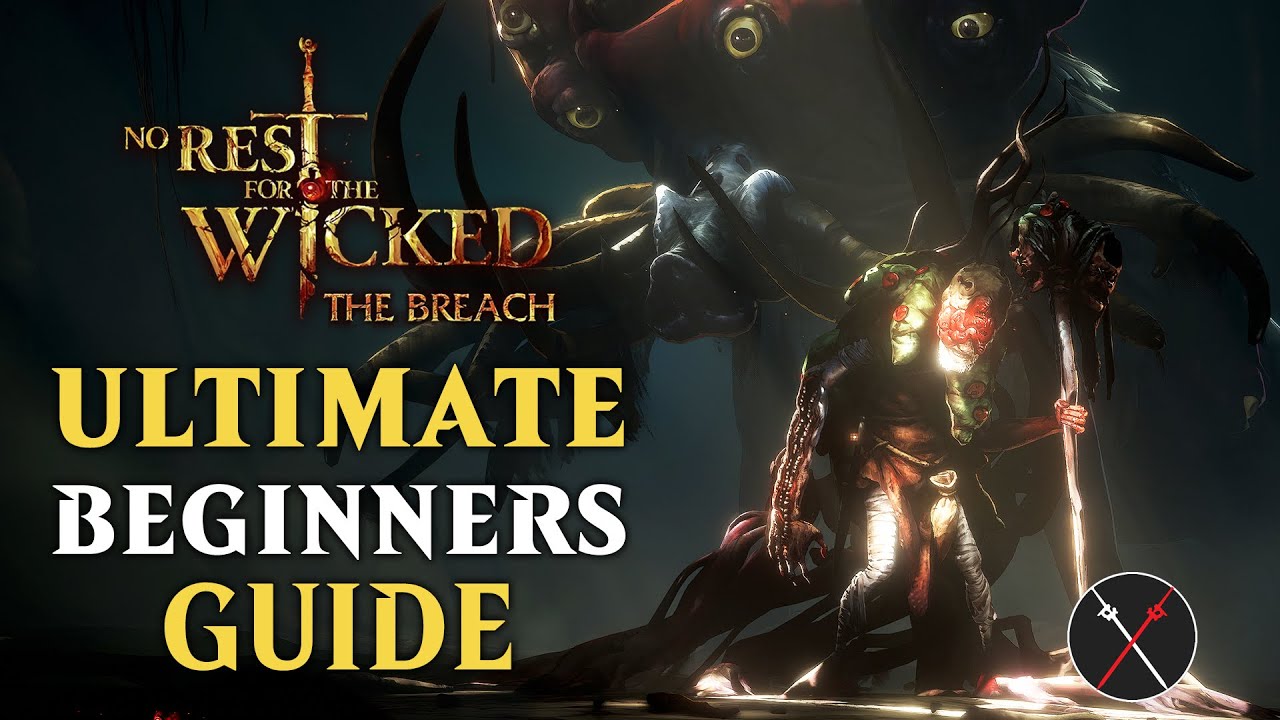
No Rest for the Wicked has undergone a dramatic shift with The Breach update, introducing vast new regions like Marin Woods and Lowland Meadows, alongside reworked systems that redefine progression. For beginners, this can feel overwhelming—but it’s also the perfect time to start fresh. From mastering the new Plague Zones, where cleansing corruption leads to brutal boss fights, to learning how Gauntlets, Wands, and revamped shields change combat flow, the update emphasizes adaptability and smart planning. Early players should focus on gathering torn resources for crafting, experimenting with stagger mechanics in combat, and scouting safe havens like Marin Village before pushing deeper into plague territory. With Hardcore Mode, faster progression systems, and performance boosts like DLSS 4, No Rest for the Wicked is now tougher, sharper, and more rewarding than ever. This guide lays out the key strategies new players need to conquer The Breach and carve their place in Cerrigar’s unforgiving world.
No Rest for the Wicked – Conquer The Breach: Beginner’s Strategic Guide
The Breach update for No Rest for the Wicked has transformed the game into a much larger and more complex experience. With new regions, weapons, and systems reworking everything from loot to combat flow, beginners face a daunting—but exciting—challenge. This guide breaks down the essentials and highlights the technical aspects that will help new players survive and thrive in Cerrigar.
Understanding The Breach
The Breach isn’t just more content—it’s a systems overhaul. The update doubles the world size, introducing Marin Woods and Lowland Meadows, while adding plague-infested zones that alter encounters dynamically. These plague areas don’t just reskin enemies; they modify AI behavior and spawn patterns, demanding new strategies for positioning, weapon choice, and stamina management.
Combat and Weapon Archetypes
The combat system now emphasizes poise and stagger mechanics. Shields are no longer passive defenses—they’re active tools for controlling fights. New weapon archetypes like Gauntlets (short-range, hybrid melee/magic) and Wands (intelligent, single-hand casting) expand build diversity. Understanding stamina recovery frames and the stagger thresholds of different enemy types is critical for survival. Beginners should experiment with gauntlet combos and shield counters early, since timing practice here pays off in tougher plague boss fights later.
Resource Systems and Loot Economy
Loot has been reworked with Torn Resources and a new Masterworks rarity tier. This creates a more linear but rewarding gear progression, scaling drops to both your level and enemy difficulty. Beginners should focus on resource collection efficiency—prioritizing herbs and ores tied to crafting nodes—since gear upgrading now leans heavily on localized materials.
Crafting isn’t just a side activity. Efficient builds hinge on investing in the right upgrades early, especially weapon reinforcement that scales with your preferred stat. Avoid spreading resources too thin across multiple weapon types in the early game.
Navigating Plague Zones
Plague Zones are the centerpiece of The Breach. These areas corrupt both the environment and enemy behavior, often adding modifiers like increased aggression or additional elemental damage. Cleansing these zones triggers a Plague Boss fight, but the risk comes with high rewards: rare drops, lore fragments, and gear progression shortcuts.
Beginners should scout plague boundaries carefully. Enter only when fully stocked with consumables and with escape routes mapped. Using ranged weapons to thin mobs before engaging is far more effective here than direct melee rushing.
Settlements and Progression Paths
Marin Village and Hunter’s Vale aren’t just safe hubs—they introduce branching progression paths. Marin Village focuses on crafting and gear upgrades, while Hunter’s Vale leans into combat prep and vendor support. Strategic investment in one hub first allows for a smoother early game rather than splitting time and resources between both.
Technical Optimization for Beginners
With DLSS 4 support and physics optimizations, No Rest for the Wicked now scales well across rigs, but combat timing still depends heavily on stable performance. Beginners should prioritize consistent framerates (even at reduced graphics settings) since parry windows and dodge frames are unforgiving.
Conclusion
The Breach isn’t just more No Rest for the Wicked—it’s a redefinition of the game’s systems. For beginners, success comes from learning stagger mechanics, focusing resources on one build path, and approaching plague zones with patience and preparation. This update raises the skill ceiling, but it also rewards smart play more than ever. If you’re just starting out, treat every encounter as a lesson, and you’ll soon find yourself carving a path through Cerrigar with confidence.