Discover how browser games are winning the battle against latency with advancements in WebRTC, edge computing, and 5G technology.
How Multiplayer Latency Battles Are Being Won in the Browser
The world of web gaming has always been a fascinating frontier, blending the accessibility of browser-based platforms with the complexity of real-time multiplayer gameplay. However, one of the biggest hurdles in this domain has been latency. As multiplayer gaming continues to dominate the industry, the demand for low-latency experiences is higher than ever. Recent advancements in web technologies are changing the landscape, providing solutions to the age-old problem of lag.
The Latency Challenge
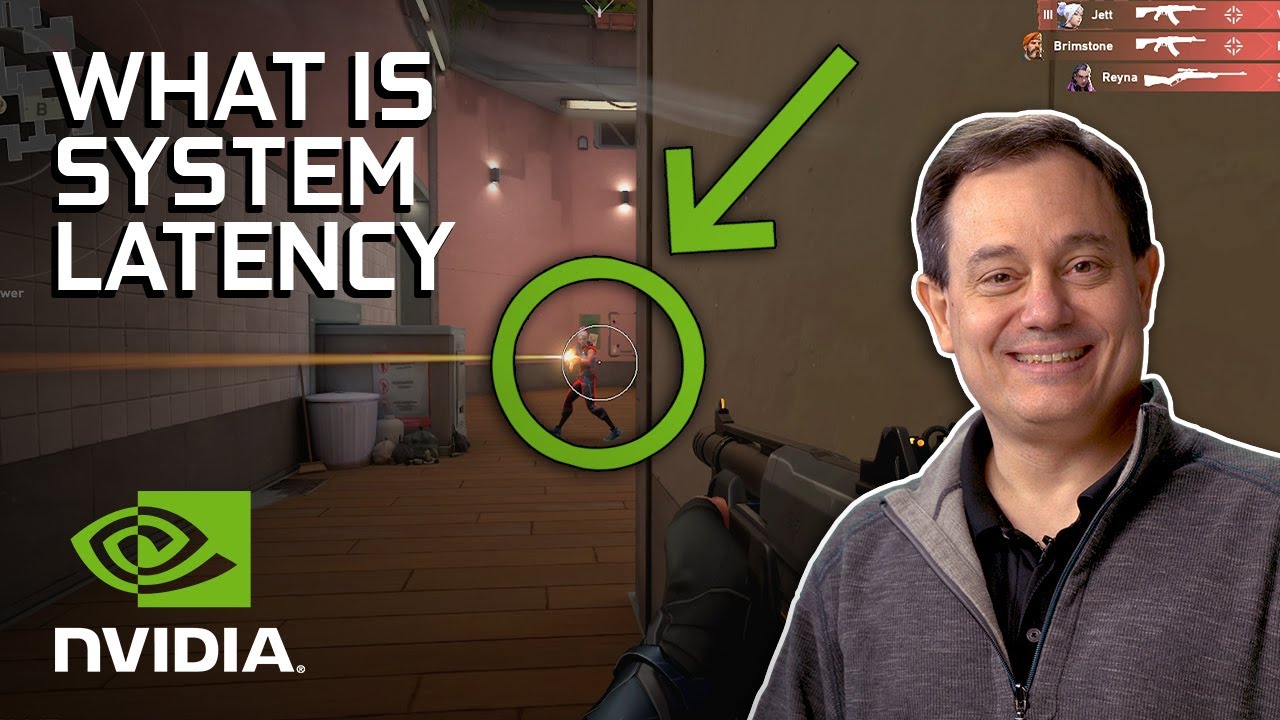
Latency, the time delay between a player's input and the response in the game, has been a persistent issue in online gaming. In fast-paced multiplayer games, even a slight delay can mean the difference between victory and defeat. Traditionally, browser-based games have struggled with higher latency compared to their desktop counterparts, primarily due to network inefficiencies and the limitations of web technologies.
WebRTC: The Game Changer
One of the most significant advancements in reducing latency in browser-based games is the integration of WebRTC (Web Real-Time Communication). WebRTC enables peer-to-peer connections directly between users, bypassing server bottlenecks and reducing round-trip times significantly. This technology allows for real-time data exchange, crucial for synchronous multiplayer experiences. As a result, players can enjoy smoother gameplay with minimal lag, even in high-stakes competitive settings.
Edge Computing and CDNs
Another potent solution to the latency problem is the use of edge computing and Content Delivery Networks (CDNs). By processing data closer to the player’s location, these technologies drastically reduce the distance data needs to travel. CDNs distribute game data across a network of servers worldwide, ensuring that players connect to the server closest to them, thus minimizing latency.
Advancements in JavaScript and WebAssembly
JavaScript, the backbone of web applications, has seen significant performance improvements. Coupled with the rise of WebAssembly, developers can now run high-performance code directly in the browser. This combination allows for more complex game logic and graphics rendering to occur with less overhead, speeding up the game's response time and providing a more immersive experience.
5G and the Future of Web Gaming
The rollout of 5G networks is poised to revolutionize web gaming further. With its promise of ultra-low latency and high-speed connectivity, 5G will empower browser-based games to deliver console-quality experiences. As 5G becomes more widely available, we can expect a new wave of browser games that leverage these speeds to offer seamless multiplayer interactions.
Conclusion: A New Era for Browser-Based Multiplayer Games
Thanks to these technological advancements, the future of web gaming looks promising. As developers continue to innovate, the gap between browser-based and traditional multiplayer games is closing. With reduced latency and improved performance, browser-based games are set to offer competitive and engaging experiences like never before. Whether you're a casual gamer or a competitive enthusiast, the evolution of web technologies ensures that exciting times lie ahead in the realm of multiplayer gaming.