
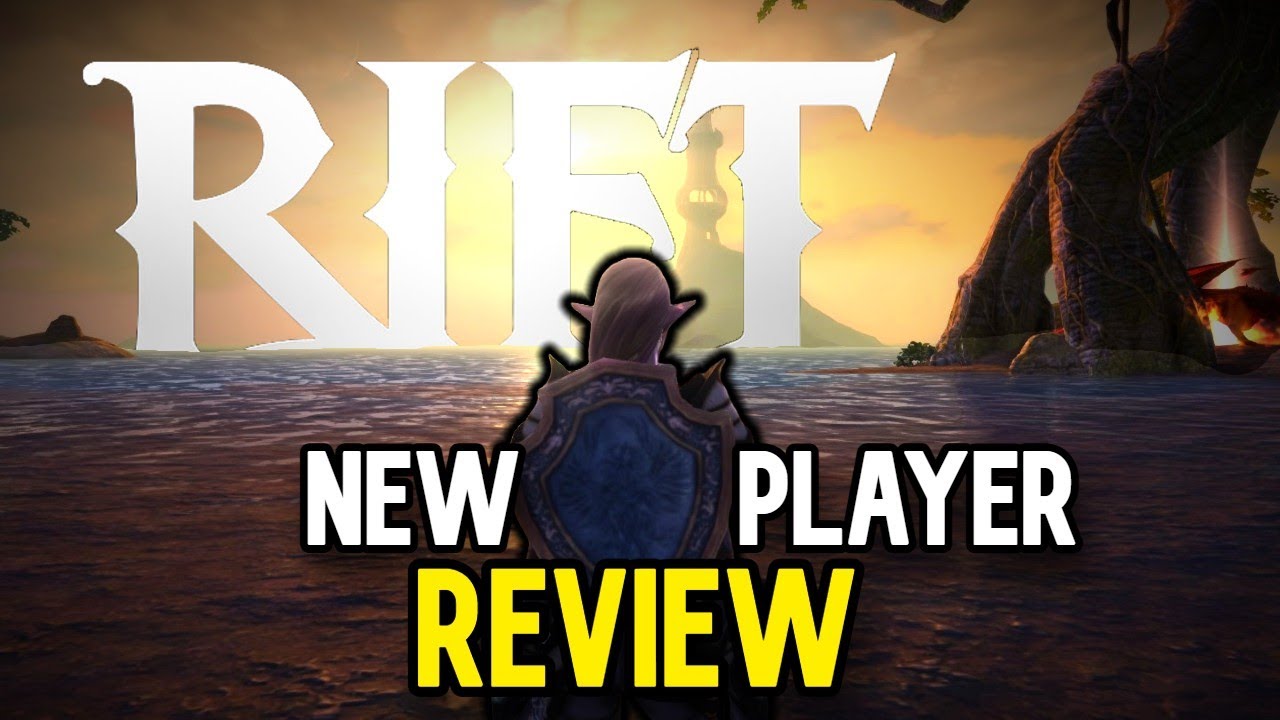
Discover the dynamic world of 'Rift', an MMORPG with a unique class system and engaging gameplay. Perfect for new and seasoned gamers alike.
Jumping into Rift 2025 for the First Time: Is It Worth Playing in 2025?
Originally launched in 2011, Rift by Trion Worlds entered the MMORPG scene with ambitions to rival genre titans like World of Warcraft. Fast forward to 2025, and Rift still stands, albeit under a quieter spotlight—but that doesn’t mean it hasn’t evolved. With its flexible class systems, dynamic world events, and highly customizable builds, Rift offers one of the most technically layered MMO experiences still available today.
Telara’s Living World: Dynamic Events That Still Impress
At the heart of Rift is Telara—a plane-spanning world where chaos quite literally tears through the sky. The game’s signature mechanic, planar invasions known as Rifts, randomly erupt in zones, spawning increasingly difficult enemies that escalate in power and number unless quelled by players. These events reshape the battlefield in real time, influencing local NPC behavior, quest progression, and even access to certain crafting nodes.
In 2025, these Rifts are smarter and more dangerous. Newer seasonal expansions have introduced rotating elemental modifiers (like storm-powered buffs for air rifts or fire-based debuffs for water zones) that require players to adapt builds and raid compositions on the fly.
The Soul System: One of the Most Customizable Class Frameworks in MMOs
Unlike most MMOs, Rift doesn’t lock players into rigid class archetypes. Instead, it offers a fluid “Soul” system. You start by choosing one of four callings—Warrior, Cleric, Rogue, or Mage (and Primalist in newer expansions). Each calling contains a wide array of Souls—subclasses with unique skill trees.
-
Want to be a ranged tank or a melee healer? Mix and match Souls to create exactly that.
-
Each character can hold multiple saved loadouts—optimized for PvE raids, PvP battlegrounds, or open-world content.
-
Hybrid builds are viable but demand knowledge of synergy between passive trees and triggered procs, especially at endgame.
This system allows players to fine-tune their stats, rotation priorities, and energy management to create nuanced playstyles. It’s one of the deepest and most technically flexible class systems in modern MMORPGs.
Combat Depth & Boss Mechanics
Rift’s tab-target combat system remains one of its most tactical strengths. While it doesn’t lean into action-style twitch mechanics, high-level content features:
-
Multi-phase raid bosses with layered mechanics like split group tasks, timed adds, and planar debuffs.
-
Reactive ability mechanics where timing procs and cooldowns in sequence significantly boosts your DPS or healing throughput.
-
Situational awareness is rewarded, especially in 20-man raids where arena design often includes moving hazards, scripted arena collapses, or coordinated interrupts.
Players mastering these mechanics often rely on third-party DPS meters and customized UI add-ons to monitor buffs, cooldowns, and threat levels.
Crafting, Gear Progression, and Economy in 2025
Crafting in Rift has been significantly streamlined, but not dumbed down. It includes:
-
Tiered resource rarities that align with planar attunements (e.g., air-forged steel vs fire-bonded cloth).
-
Gear modification through runecrafting, enchantments, and planar essences—offering extensive vertical and horizontal progression.
-
Player-driven auction house systems where crafting viability fluctuates with meta changes in raid gear and PvP loadouts.
Gathering professions are region-specific and Rift-dynamic. A water rift in a forest zone might temporarily spawn high-value aquatic herbs otherwise only found in dungeons.
PvP & Warfronts: Still a Viable Endgame Path
For those who prefer their content player-driven, Rift’s Warfronts still offer balanced PvP battlegrounds. While not as populated as during its heyday, the inclusion of Power Nodes and Ancient Relic Capture modes keeps things interesting.
-
Matchmaking now includes gear normalization toggles, allowing newer players to compete more fairly against veterans.
-
PvP gear has been overhauled with adaptive stats that morph depending on your Soul loadout and current match objectives.
Visuals and Engine Performance
Rift doesn’t boast the ultra-realism of 2025’s newest releases, but its stylized graphics hold up well:
-
Shader enhancements added post-2022 update breathe life into planar anomalies and spell effects.
-
Environment streaming is smooth, even on mid-range rigs, and high-refresh-rate support makes it feel responsive.
Verdict: Is Rift Worth Playing in 2025?
Yes—if you value technical class depth, sandbox flexibility, and large-scale PvE content. While its population isn’t what it once was, Rift in 2025 still delivers a tactically rewarding MMORPG experience. It’s not just a nostalgia trip—it’s a customizable, systems-rich game that encourages theorycrafting, adaptability, and cooperative play.
If you're an MMO player looking for substance over hype, Telara still has plenty to offer.


