Explore the rise of indie games, their impact on the gaming industry, and how they're reshaping the landscape with creativity and innovation.
Indie Beat: Hollow Knight, Crossy Road, and the Power of Unity
Unity’s Versatility Across Genres
The rise of indie games has reshaped the gaming industry, and Unity has been one of the key engines fueling this revolution. What makes Unity fascinating isn’t just its accessibility—it’s the technical versatility that allows it to power everything from intricate Metroidvania adventures to endlessly replayable mobile titles. Games like Hollow Knight and Crossy Road highlight just how different the end results can be, despite sharing the same underlying technology.
Hollow Knight – Precision and Atmosphere
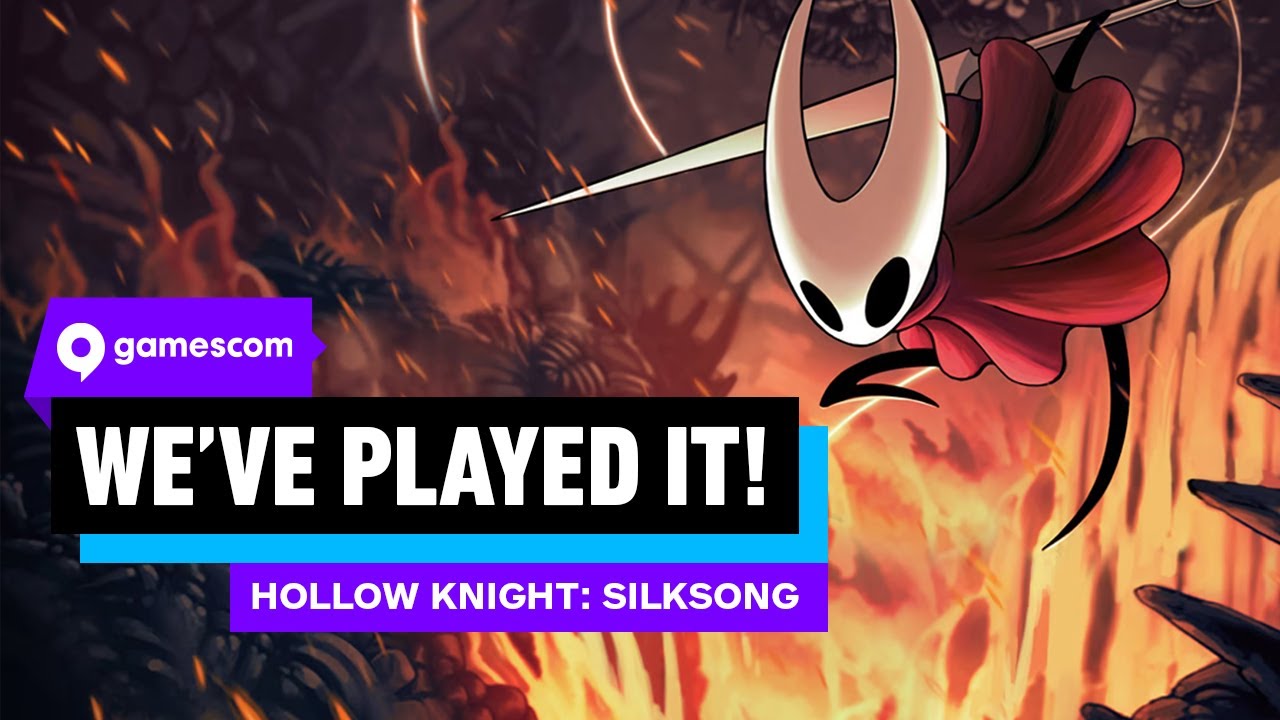
Team Cherry’s Hollow Knight is a masterclass in how Unity handles detailed 2D environments and complex systems. Built on hand-drawn art layered with smooth animations, Unity’s rendering pipeline made it possible to blend fluid combat mechanics with dense, atmospheric world design. One technical highlight is how the engine handles physics interactions and hitbox precision without compromising performance—a critical requirement in a game where combat timing defines the player experience. The engine’s flexibility with custom shaders also allowed the developers to craft the game’s moody lighting, enhancing immersion and making Hollow Knight feel handcrafted in every corner of Hallownest.
Crossy Road – Scalability and Simplicity
On the other end of the spectrum, Hipster Whale’s Crossy Road demonstrates Unity’s ability to optimize simple visuals and systems for global scale. The voxel-inspired design is lightweight but was engineered to perform smoothly across a massive range of mobile devices, from high-end smartphones to low-power models. Unity’s efficient memory management and support for rapid prototyping gave the developers freedom to focus on addictive gameplay loops. Its cross-platform compatibility also allowed Crossy Road to seamlessly expand to Android TV, iOS, and beyond, showing how Unity scales casual experiences into cultural phenomena.
Why This Matters for Indie Development
What makes Unity so appealing to indies isn’t just the cost of entry—it’s the technical foundation that adapts to wildly different creative visions. Hollow Knight proves Unity can deliver precision-driven, content-heavy experiences without performance breakdowns, while Crossy Road shows how the same engine can power lightweight, infinitely replayable games optimized for accessibility. This duality is what makes Unity unique: it allows a solo developer or a small team to achieve results on par with larger studios, provided they know how to leverage its toolset.
The Indie Impact Going Forward
With Unity continuing to evolve—adding real-time rendering improvements, physics updates, and better cross-platform tools—the indie scene is only becoming more ambitious. Developers can now experiment with mechanics and aesthetics once reserved for big-budget studios, but with the creative freedom and risk-taking spirit that defines indie gaming. This technical democratization means we’ll continue to see breakout hits that redefine genres, often built on Unity’s adaptable framework.