
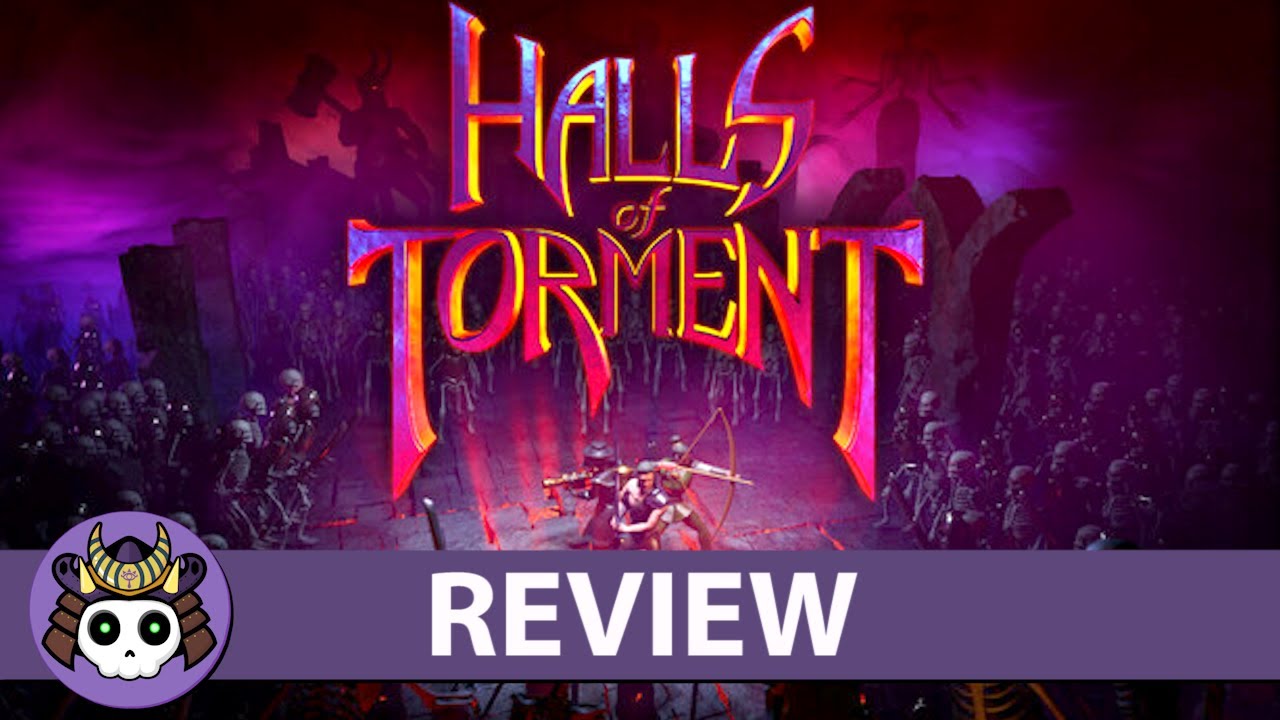
Halls of Torment throws players into a relentless horde survival roguelite where every second counts. With its eerie underworld setting, unique cast of heroes, and treasure-filled progression, it’s easy to lose track of time as you battle wave after wave of nightmarish enemies. Compared to Vampire Survivors, the game delivers a darker, more atmospheric twist on the genre, complete with strategic upgrades and mechanical depth that keep players hooked. The question is—how long can you endure the torment?
Halls of Torment vs Vampire Survivors – Which Is More Addictive?
The roguelite survival genre has exploded in recent years, and two games keep coming up in conversations: Halls of Torment and Vampire Survivors. While they share the core loop of mowing down endless waves of enemies and stacking upgrades until you feel unstoppable, Halls of Torment takes a more technical, RPG-inspired approach that gives players far more control over builds and moment-to-moment strategy. Let’s break down why it’s being hailed as the deeper, more “hardcore” alternative, and whether that makes it more addictive than its wildly popular counterpart.
Combat Systems and Flow
Vampire Survivors is known for its “auto-attack” simplicity—once you pick a weapon, it fires automatically while you focus on dodging and positioning. Halls of Torment shifts gears by reintroducing active combat mechanics. You’ll be aiming attacks, weaving between enemies, and managing stamina-like movement mechanics that make survival less about passive upgrades and more about skillful positioning and timing.
Character Builds and Progression
Where Vampire Survivors thrives on chaos and stacking synergies, Halls of Torment leans into deliberate buildcraft. Each hero class comes with a unique kit—ranging from melee-focused knights to long-range casters—offering RPG-like depth. Items and trinkets can completely alter how your character plays, such as adding lifesteal mechanics, altering attack arcs, or buffing elemental damage. This technical layer appeals to players who love fine-tuning and experimenting with builds over multiple runs.
Visuals and Atmosphere
Stylistically, Vampire Survivors is retro-pixel chaos, with explosions of enemies and projectiles filling the screen. Halls of Torment, on the other hand, borrows heavily from Diablo II’s grim, isometric visuals. The darker, more methodical vibe reinforces the game’s strategic pace and makes every survival attempt feel like delving into a dungeon rather than surviving a chaotic arcade onslaught.
Replayability and Addiction Factor
Both games are incredibly replayable, but in different ways. Vampire Survivors hooks players with rapid-fire dopamine hits from constant upgrades and flashy effects. Halls of Torment is more of a slow-burn addiction, rewarding mastery, build experimentation, and mechanical execution. For players who want depth as well as spectacle, Halls of Torment’s layered systems may ultimately prove more compelling long-term.
Conclusion
Halls of Torment doesn’t just ride the coattails of Vampire Survivors—it refines and deepens the formula with RPG-style classes, active combat, and strategic progression. While Vampire Survivors is still the king of casual chaos, Halls of Torment is quickly becoming the go-to choice for players who want more control and technical mastery. The real question is: do you want to watch the screen explode in particle effects, or do you want to sharpen your skills and survive by wit and precision?


