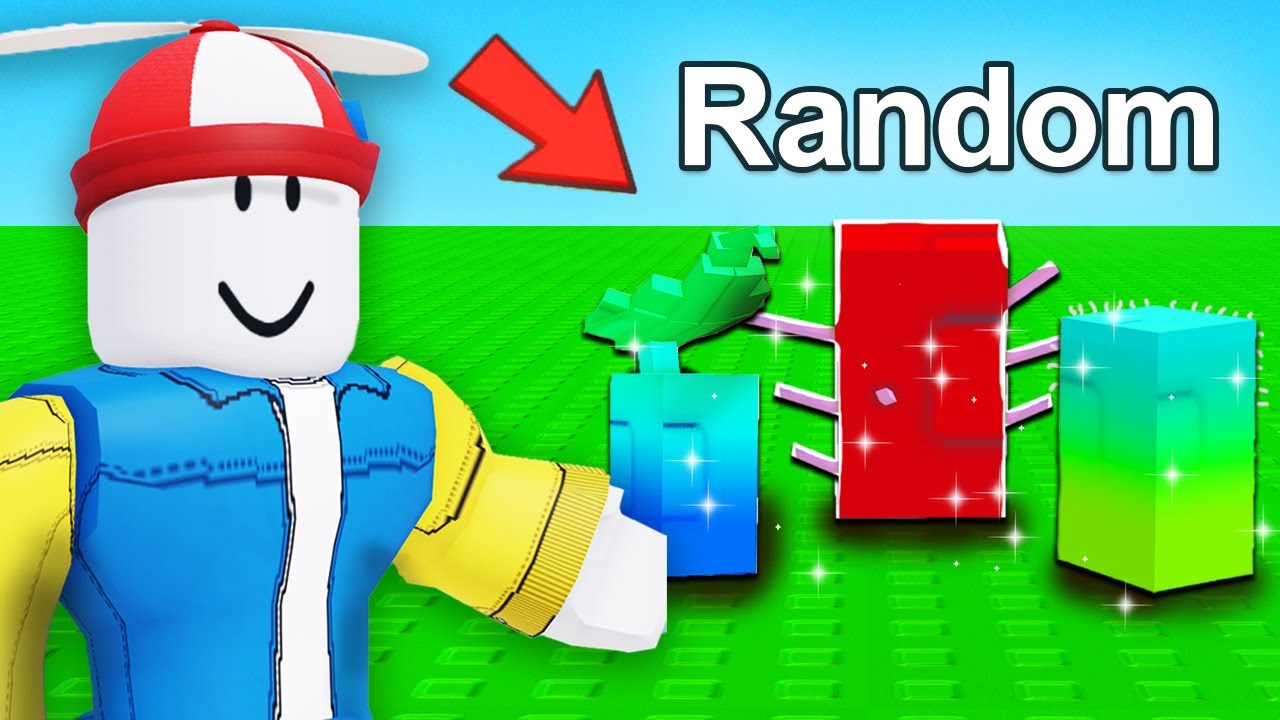
Grow a Garden—a game that seemed to sprout quietly from the soil but is now blooming into one of Roblox’s most engaging community-driven experiences.
Grow a Garden: From Hidden Gem to Platform Phenomenon – How Roblox Play is Changing
Roblox is no longer just a platform for obstacle courses and tycoon clones. It's evolving into a destination for meaningful, system-driven play. One of the best recent examples of that shift is Grow a Garden—a game that seemed to sprout quietly from the soil but is now blooming into one of Roblox’s most engaging community-driven experiences.
What Is Grow a Garden?
At its core, Grow a Garden is deceptively simple. Players plant seeds, water crops, harvest produce, and expand their garden space. But beyond the basics lies a deeper system—one that rewards patience, collaboration, and long-term strategy. Players aren't just clicking; they’re curating living ecosystems, designing layouts, discovering rare plant combinations, and building a sense of place.
Unlike many Roblox games that rely on chaos and constant dopamine loops, Grow a Garden invites players to slow down. The core gameplay loop—plant, nurture, harvest, evolve—is paced in a way that encourages return visits and rewards investment over time.
From the Shadows to the Spotlight
When Grow a Garden launched, it wasn’t an overnight sensation. It didn’t explode on TikTok. It didn’t rely on flashy monetization gimmicks. But what it did do was retain. Players came, they planted, and they stayed. Word-of-mouth began to spread. YouTubers started showcasing custom gardens and community challenges. Designers began to use the game as a canvas for expressing their creativity.
This slow-burn growth reflects a larger trend: Roblox players are getting smarter. They crave polish, replayability, and mechanics that scale with time—not just noise and spectacle. Grow a Garden proved that success can come from systems, not spectacle.
What Makes It Work
There are three key design pillars that have helped Grow a Garden flourish:
-
Player Expression
The garden is the player’s identity. With a wide range of visual customizations and layout options, players are not just growing plants—they’re growing themselves in the game world. -
Social Collaboration
From shared watering tasks to garden visits and public showcases, the game builds subtle incentives for collaboration. It transforms a solo activity into a community event. -
Sustainable Progression
The game avoids punishing grind. Instead, it rewards efficiency and smart planning. Players learn how to optimize layouts, crossbreed seeds, and unlock rarer species—all without pressure.
The New Roblox Reality
Grow a Garden represents the new wave of Roblox design: thoughtful, systemic, and emotionally sticky. It proves that players will engage deeply with a game if you give them the tools to create, connect, and contribute meaningfully.
We’re seeing a pivot away from throwaway one-session games toward persistent, modular, community-led experiences. These aren't just games. They're platforms within platforms.
The Path Forward
For developers, Grow a Garden is a blueprint. It shows that mechanics rooted in care and growth—not just clicks and coins—can lead to massive retention. It also shows that Roblox is maturing. The audience wants more. They want systems they can master. They want to feel part of something bigger.
If you’re building on Roblox today, think long-term. Think loops, community, and expression. Because if Grow a Garden has taught us anything, it’s this:
The future of Roblox isn’t built overnight. It grows—one seed, one system, one player at a time.