
Explore FarmVille's success story, its evolution, and what's next for this iconic farming game. Discover why it remains beloved by millions.
FarmVille: The Rise, Success, and What's Next for the Iconic Farming Game
In the realm of social gaming, few titles have made a lasting impact quite like FarmVille. Launched in 2009 by Zynga, FarmVille quickly became a cultural phenomenon. Its success wasn't just about planting and harvesting crops; it was about fostering a sense of community and innovation in gaming. In this article, we'll delve into the factors that propelled FarmVille to success and explore what the future holds for this beloved franchise.
The Seeds of Success: Why FarmVille Flourished
FarmVille's success can be attributed to several key factors:
1. Social Integration
FarmVille was one of the first games to utilize Facebook as a platform effectively. By integrating with Facebook, it capitalized on the social media boom, allowing players to share their achievements, invite friends, and even compete in friendly farming contests. This social aspect created a viral effect, drawing in millions of users.
2. Accessibility
The game’s simplicity played a crucial role in its widespread appeal. With no steep learning curve, players of all ages could easily plant crops, raise animals, and expand their farms. This accessibility broadened FarmVille’s audience beyond traditional gamers, making it a family-friendly pastime.
3. Free-to-Play Model
FarmVille’s free-to-play model was a game-changer. While the game was free to play, it offered in-game purchases for enhancements and faster progress, which generated significant revenue for Zynga without alienating players who chose not to spend money.
4. Regular Updates and Events
Zynga kept the game fresh by regularly updating it with new crops, animals, and seasonal events. This strategy not only maintained player interest but also encouraged them to log in daily to see what's new.
The Decline and Evolution of FarmVille
Despite its initial success, FarmVille eventually saw a decline in active users. As the gaming industry evolved, players began seeking more complex and visually appealing games. Mobile platforms also started to dominate, leading to a shift in gaming habits.
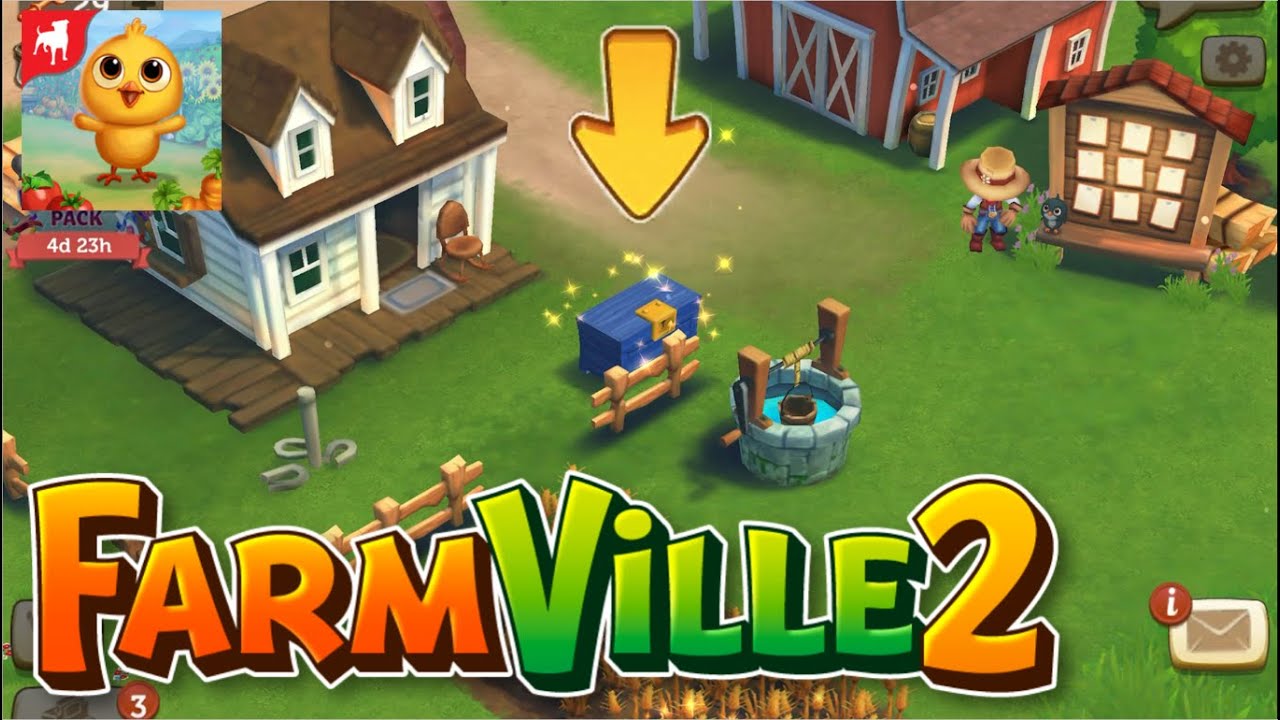
To adapt, Zynga launched FarmVille 2 and several spin-offs, offering improved graphics and deeper gameplay mechanics. These titles aimed to recapture the magic of the original while appealing to a new generation of gamers.
What's Next for FarmVille?
As we look to the future, Zynga continues to innovate with the FarmVille franchise. In recent years, the company has focused on mobile gaming, which is now a dominant force in the industry. The release of FarmVille 3 for mobile devices represents a significant step forward, with enhanced graphics, new features, and a more immersive experience designed to appeal to both new and veteran players.
Embracing Emerging Technologies
Looking ahead, Zynga may explore integrating emerging technologies such as augmented reality (AR) and blockchain to enhance gameplay and offer unique experiences. For example, AR could allow players to bring their virtual farms into the real world through their smartphones, while blockchain could introduce novel ways to trade and own in-game assets.
Community Engagement
The FarmVille community remains strong, and Zynga has been proactive in engaging with its audience through social media and community events. By listening to player feedback and incorporating it into game development, Zynga ensures that FarmVille remains relevant and beloved.
Conclusion
FarmVille's journey from a simple Facebook game to a cornerstone of social gaming is a testament to its innovative approach and enduring appeal. While the gaming landscape continues to evolve, FarmVille’s legacy endures, promising exciting developments and adventures for its community of dedicated players. As we anticipate what’s next, one thing is clear: FarmVille will remain a cherished part of gaming history.

