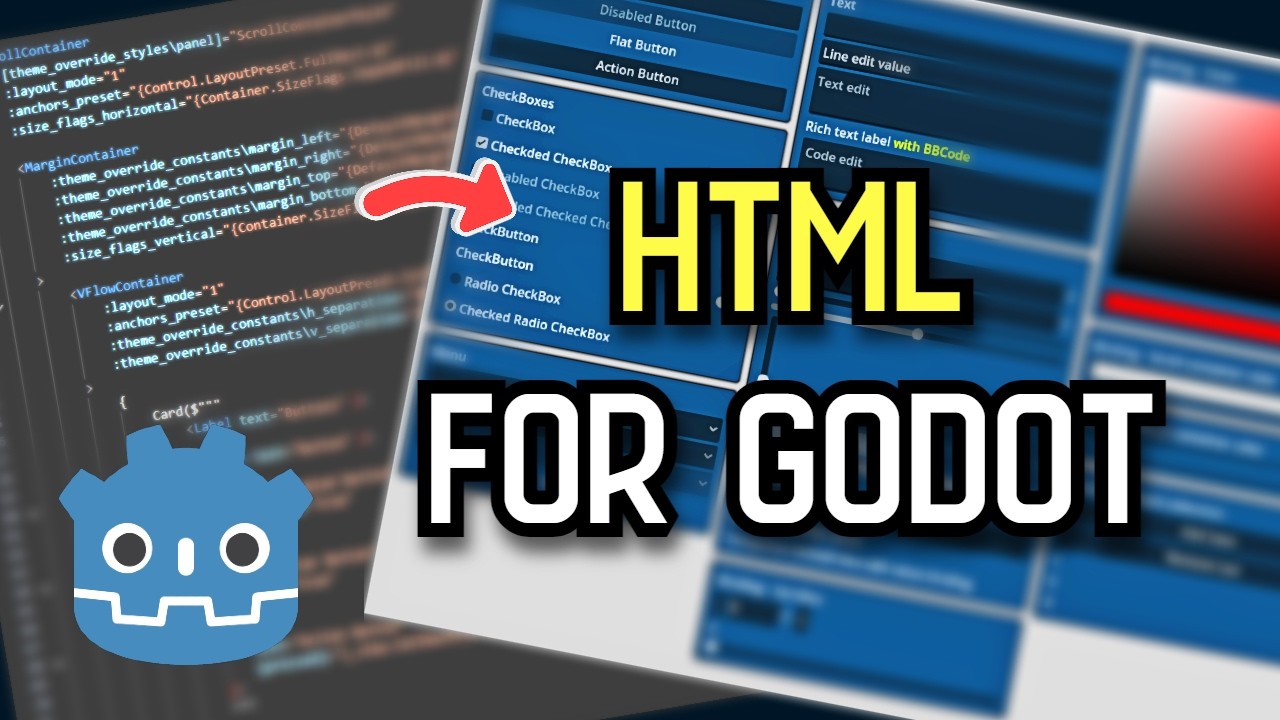
Explore the current state of Godot for web development. Learn about its features, performance, and future prospects for game developers.
Exploring the Current State of Godot for Web: A Game Development Revolution
As the gaming industry continues to evolve, developers are constantly searching for tools that offer flexibility, power, and ease of use. One such tool that has been gaining traction in recent years is the Godot Engine, an open-source game development platform that's making waves for web-based game development. In this article, we'll delve into the current state of Godot for web, exploring its features, capabilities, and how it's revolutionizing the way developers create web games.
The Rise of Godot Engine
Godot Engine has emerged as a popular choice among indie developers and small game studios due to its open-source nature, flexibility, and cost-effectiveness. The engine supports both 2D and 3D game development and is known for its lightweight design and ease of use. With the increasing demand for web games, Godot's ability to export games directly to HTML5 is a feature that has piqued the interest of many developers.
HTML5 Export: Bridging the Gap
The HTML5 export feature in Godot is a game-changer for developers aiming to reach a broader audience through web platforms. By enabling seamless deployment of games directly to the web, Godot allows developers to bypass traditional app stores, reducing barriers to entry and increasing accessibility. This feature is particularly beneficial for casual and social games, which thrive on web platforms.
Performance and Capabilities
One of the critical aspects of using Godot for web is its performance. Thanks to WebAssembly (Wasm) and WebGL technologies, Godot can deliver impressive performance in browser environments. Developers can take advantage of Godot's robust scripting language, GDScript, which is designed to be intuitive and similar to Python, making it accessible to both seasoned developers and newcomers.
Community and Support
Godot's open-source nature has fostered a vibrant community that actively contributes to its development. This community-driven approach ensures that Godot stays up-to-date with the latest web technologies and trends. Numerous tutorials, forums, and documentation are available, making it easier for developers to troubleshoot and enhance their web projects.
Challenges and Considerations
Despite its many advantages, developing web games with Godot does come with challenges. Browser compatibility and performance optimization remain significant concerns, as different browsers may handle WebAssembly and WebGL differently. However, the Godot community is continuously working on improving these aspects to ensure a smoother experience for developers and players alike.
The Future of Godot for Web
Looking ahead, Godot is poised to become a major player in the web gaming space. With the release of Godot 4.0 on the horizon, developers can expect improved performance, new features, and even more robust support for web technologies. As the demand for web-based games continues to grow, Godot's role in shaping the future of game development is undeniable.
Conclusion
Godot's current state for web development is a testament to its versatility and the potential it holds for the future. By offering a free, open-source platform that's both powerful and accessible, Godot is enabling a new generation of developers to create innovative games for the web. Whether you're an indie developer looking to break into the scene or an established studio exploring new platforms, Godot's capabilities for web gaming make it a tool worth considering.