
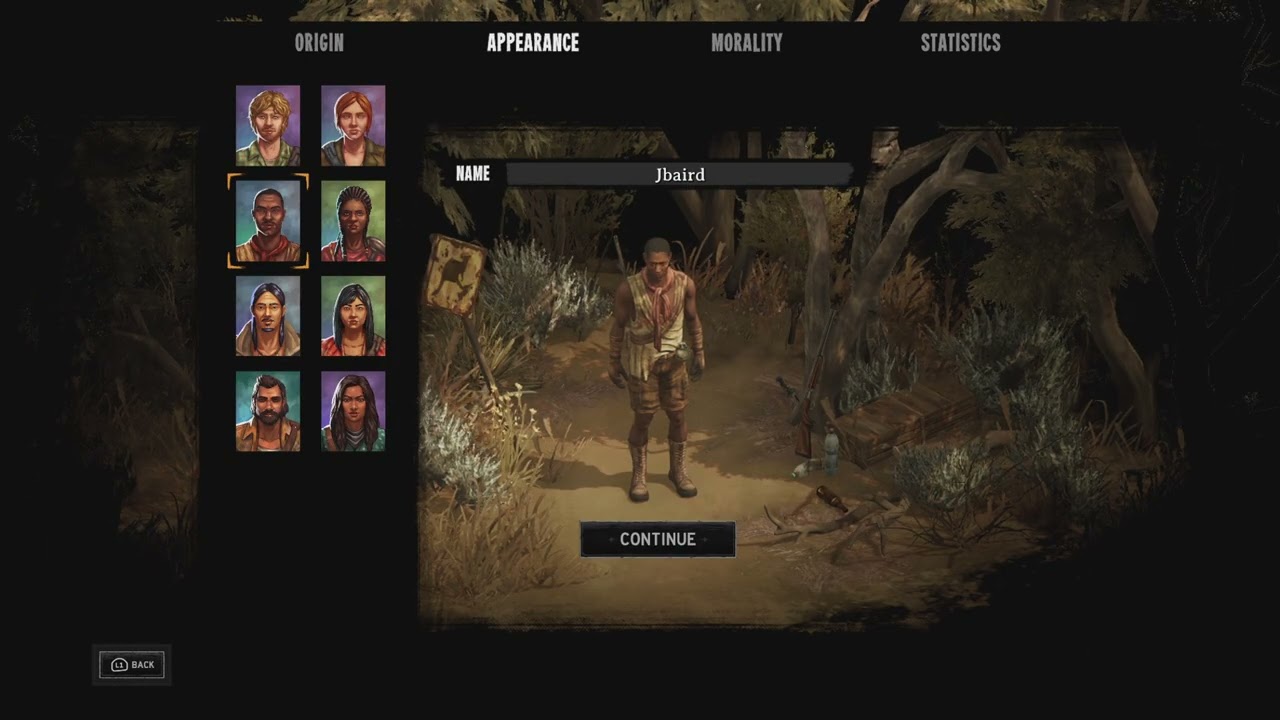
After a rocky launch, Broken Roads is steadily carving a clearer path forward. The latest patches introduce a dedicated English-only branch—separating new narrative fixes, expanded companion dialogues, and improved quest logic from older versions. Developers are prioritizing tighter roleplaying in key locations like Southern Cross and Merredin, reworking the refugee storyline, and stripping out jarring fast-travel “teleport” events that broke immersion. Technical improvements bring better handling of tricky save-game bugs, cover system glitches in combat, and Steam achievement syncing—meaning fewer frustrating roadblocks and a smoother storytelling experience. For fans who stuck around, these updates signal that Broken Roads may finally be navigating its way toward greatness.
Broken Roads – Is This Aussie RPG Finally Finding Its Path?
The post-apocalyptic RPG scene is crowded, but few games attempt what Broken Roads sets out to achieve: a morally complex, narrative-driven CRPG set in the uniquely Australian Outback. Developed by Drop Bear Bytes, the game launched in 2024 to mixed reviews, but ongoing patches and community-driven updates suggest it’s steadily carving a path toward becoming the ambitious title it set out to be.
Gameplay Systems: Philosophy Meets Survival
At its core, Broken Roads uses familiar isometric CRPG mechanics—turn-based combat, exploration, and party management—but injects a defining feature: the Moral Compass. This system maps player choices onto philosophical axes like Utilitarian, Humanist, Nihilist, and Machiavellian. It’s not just flavor text; it actively restricts or unlocks dialogue, alters quest outcomes, and even shifts how companions perceive you.
Recent updates have refined how the compass interacts with faction quests, tightening logic so moral choices lead to clearer but still challenging consequences. For players who love RPGs where “roleplaying” really changes outcomes, this makes Broken Roads stand out.
Combat and Character Progression
The combat system leans more on positioning and cover mechanics than raw stat stacking. While initially criticized for stiffness, patches have improved AI behavior and reduced exploits like broken line-of-sight. Each companion brings distinct tactical roles—ranged control, melee crowd disruption, or support abilities—which makes party composition meaningful rather than cosmetic.
Character progression is classless, allowing you to sculpt builds around skills like survivalism, mechanics, or persuasion. This flexibility ties back into roleplay, letting you solve challenges diplomatically, through engineering fixes, or with brute force.
World-Building: The Australian Edge
Unlike the generic wastelands of many post-apocalyptic RPGs, Broken Roads thrives on its Australian identity. Locations like Merredin and Southern Cross are reimagined as hubs of faction conflict and survivalism. Dialogue peppers in regional slang and cultural references, grounding the world in authenticity. Environmental storytelling—burnt farmland, rusted road trains, and collapsed mining towns—underscores the game’s themes of resilience and decay.
The March 2025 update removed immersion-breaking fast travel “teleports,” forcing players to physically traverse these areas and experience the danger and beauty of the wasteland firsthand.
Narrative Depth and Companion Design
The narrative pushes philosophical dilemmas over binary morality. Should you side with refugees seeking shelter in strained towns, or prioritize existing settlements already near collapse? Each path offers gains and losses, and no option is entirely “right.”
Companions are central to this storytelling. The May 2024 patch expanded companion dialogues and backstory reveals, making them more reactive to the player’s moral stance. This means your team isn’t just a collection of stats but a chorus of voices reflecting and challenging your decisions.
Community Feedback and Roadmap
While Broken Roads launched with bugs and pacing issues, Drop Bear Bytes has been transparent in addressing them. An English-only branch now separates streamlined fixes and localization work, allowing more efficient updates. Future plans include UI refinements for the journal, extended narrative arcs, and deeper AI tweaks in combat encounters.
The community has rallied with guides, moral compass discussions, and challenge runs, giving the game a niche but loyal following. Much like the wasteland it depicts, Broken Roads is rough but growing stronger through persistence.
Conclusion: A Game in Motion
Broken Roads isn’t flawless, but its blend of philosophical roleplay, tactical combat, and Australian-flavored storytelling gives it an identity few RPGs share. With each patch, it edges closer to delivering on its promise of a truly thoughtful CRPG. For gamers willing to weather some imperfections in exchange for deep choices and a unique setting, this is one road worth traveling.

