
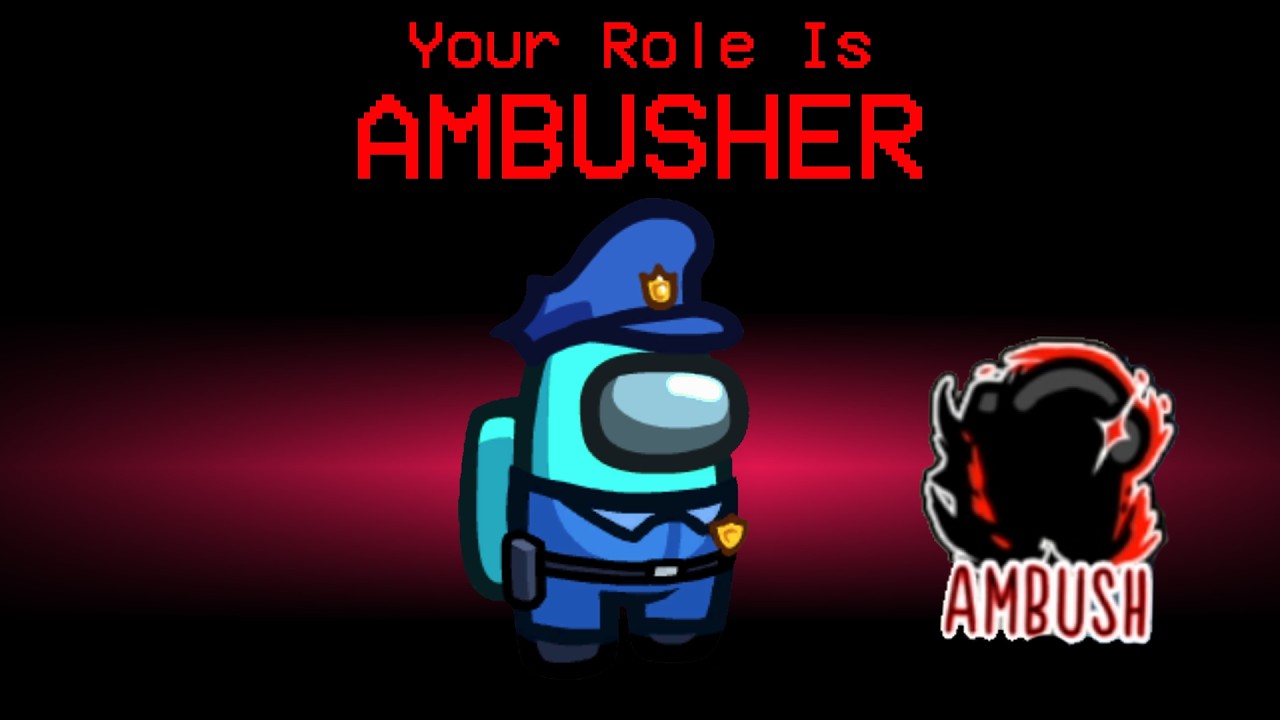
The Among Us Ambusher role is shaking up lobbies everywhere, bringing a whole new layer of stealth and unpredictability to the classic social deduction game. Unlike a standard Impostor, the Ambusher can set traps, stalk chokepoints, and eliminate unsuspecting Crewmates in seconds. This twist forces survivors to rethink how they move, group up, and manage tasks, turning every hallway into a potential death trap. While its surprise mechanics add heart-pounding tension, many players argue the Ambusher may be too powerful—creating some of the most chaotic and controversial matches in Among Us yet.
Among Us Ambusher Role – The Most Broken Update Yet?
Among Us has always thrived on its mix of suspicion, strategy, and betrayal. But with the introduction of the Ambusher role, the familiar formula has taken a dramatic—and some say unfair—turn. This custom role, widely adopted through mods, brings a new set of mechanics that shift how Crewmates and Impostors approach every match. Is it game-breaking? Or just the evolution the meta needed? Let’s break it down.
The Ambusher Role Explained
The Ambusher functions as a variant of the Impostor but with a key difference: trap-based control of the map. Unlike standard Impostors who rely on mobility, sabotage, and kills, the Ambusher weaponizes terrain and task locations by planting traps.
These traps immobilize Crewmates for a short duration, leaving them vulnerable. That moment of paralysis isn’t just a kill window—it creates map pressure, forces players to hesitate around high-traffic zones, and disrupts the tempo of task completion. For a game that thrives on paranoia, this is gasoline on the fire.
Technical Breakdown of Ambusher Play
-
Trap Placement as Zone Control: Smart Ambushers place traps in bottlenecks like Electrical, Security, and MedBay. This effectively gates progress, delaying critical task completions.
-
Time-to-Kill Advantage: Immobilization cuts reaction time to zero. Unlike the standard chase-and-kill Impostor play, the Ambusher removes counterplay opportunities in certain scenarios.
-
Information Warfare: Traps aren’t just offensive—they can act as intel tools. If Crewmates avoid specific areas or call meetings after hesitating, an Ambusher can deduce where suspicions lie.
The result? A role that can warp pacing and change the way Crewmates think about routine movement.
Strategies for Ambushers
-
Layered Trap Nets – Pair traps with sabotages (like Lights or O2) to herd Crewmates into choke points.
-
Delay Tactics – Don’t rush every trap. Waiting until multiple Crewmates gather before triggering can cause chaos and cover your tracks.
-
Fake Innocence – Casually “discover” trapped players in meetings to deflect suspicion back at them.
Surviving Against an Ambusher
Crewmates aren’t helpless, but the margin for error is razor-thin:
-
Buddy System 2.0: Moving in pairs now serves as both trap insurance and a detection tactic.
-
Task Priority Shift: High-risk areas like Electrical should be tackled early, before traps can choke progress.
-
Meta Awareness: If multiple players report strange pauses or missed timings, assume traps are in play and coordinate routes accordingly.
Why It’s Called “Broken”
The Ambusher role blurs the line between fair chaos and unfair dominance. Traps not only tilt the kill-to-survive ratio but also introduce what many consider “low-counterplay mechanics.” In competitive or modded lobbies, this can feel oppressive—especially if the Ambusher knows maps inside-out.
That said, it also forces Crewmates into a higher level of teamwork and communication. Like it or hate it, the Ambusher dramatically shifts the Among Us meta, making matches far deadlier than ever before.


