
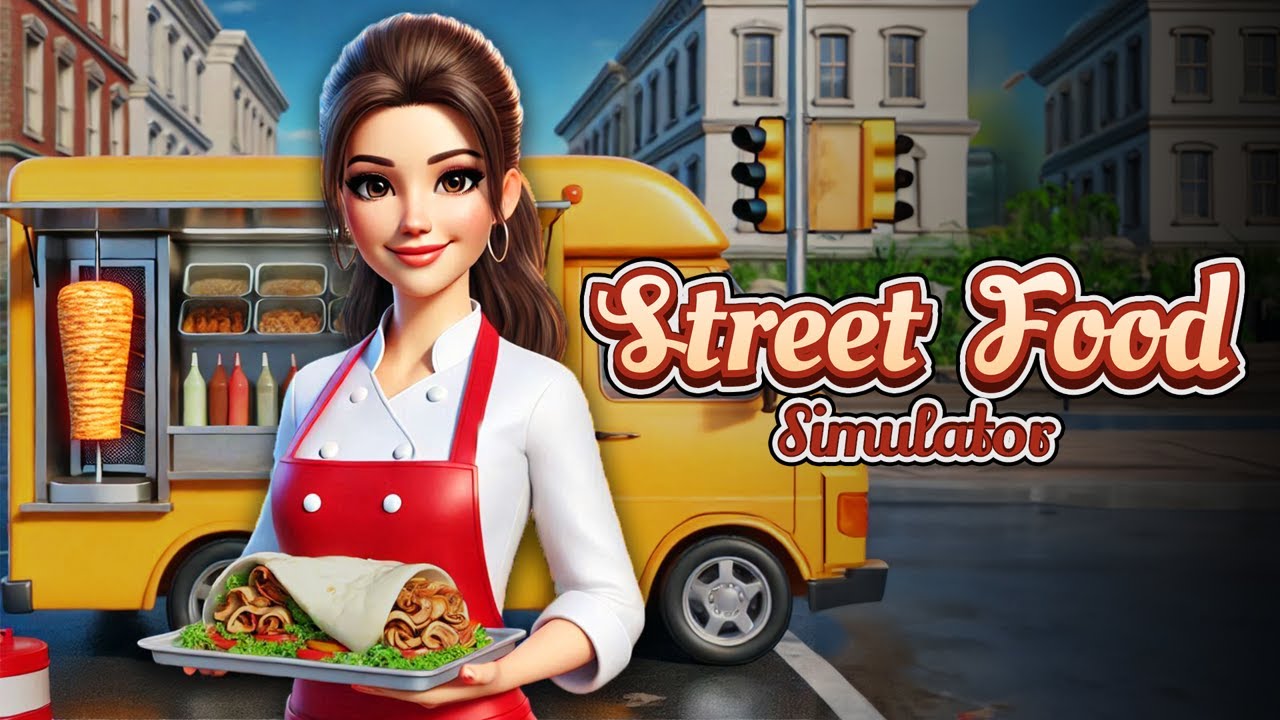
In A Look at Street Food Simulator – Cook, Serve, and Hustle, you step into the chaotic life of a mobile chef powering a food truck across bustling streets. With its latest September 2025 update, this game introduces new recipes, ingredients, and faster orders. You’ll juggle ingredient pickups, food prep, plating, and trash disposal while navigating tight layouts. Efficient routing and multitasking become essential—mess up even one step, and the line behind you grumbles.
A Look at Street Food Simulator – Cook, Serve, and Hustle
Street Food Simulator drops players into the chaotic life of running a food cart, built with Unity WebGL for smooth browser play. Unlike casual cooking games, it layers resource management, time pressure, and environmental factors into one system. You’re not just cooking—you’re handling pricing, inventory flow, customer queues, and even the effects of weather or local events on demand.
Gameplay Mechanics: Cooking Meets Logistics
The gameplay centers on multi-tasking under pressure. Orders stack up quickly, requiring players to prep, cook, serve, and clean in real-time. Each recipe has unique timers and preparation chains, forcing players to balance efficiency with precision.
Recent updates improved the dynamic order queue, scaling complexity as shifts progress. That means the longer you play in one session, the more frantic the gameplay gets—recipes become multi-layered, orders arrive faster, and customers grow less patient. It’s part cooking game, part stress test, and all about smart prioritization.
Strategy and Realism
The game shines in how it simulates real-world challenges. Weather changes can thin or flood customer traffic. Trash buildup slows down your serving speed unless you clear it in time. Even small things, like prepping ingredients too early, risk wasting resources. These details force players to think strategically—every second counts.
Competition adds another layer. Other vendors appear as AI rivals, creating fluctuating demand. Do you lower your prices to lure customers, or stick to quality and risk losing traffic? These decisions make the game as much about business tactics as food preparation.
Visuals and Audio: More Than Atmosphere
The game’s vibrant pixel-art style feels playful, but underneath is a system that uses clear visual feedback to help players track chaos: timers above dishes, icons for missing ingredients, and crowd movement that signals peak demand. Audio cues play a technical role too—burning food, customer complaints, or the ding of a completed recipe cut through the mix so you don’t have to constantly scan every corner of the screen.
Community and Multiplayer
Multiplayer mode transforms the game from a solo hustle into a co-op balancing act. Running a joint cart requires coordination, with one player focusing on prep while another handles serving or clean-up. These mechanics highlight how division of labor under time constraints can make or break a run.
The community side has also grown: players share strategies, speedruns, and custom challenges online, turning what looks like a casual cooking sim into a competitive space for efficiency and mastery.
Conclusion: More Than a Casual Cooking Game
Street Food Simulator disguises itself as a lighthearted food-cart adventure, but its technical design makes it a serious multitasking challenge. With scaling difficulty, real-world-inspired systems, and co-op depth, it stands out in the simulation genre. Whether you’re in it for the fun aesthetics or the razor-sharp time management gameplay, it’s a digital hustle that will test your focus and reflexes at every step.

